a retired collection is any group of items—cards, coins, records, or memorabilia—that a collector has formally stopped adding to and now manages as a closed, finished set. That single decision changes everything about how you value, store, and eventually sell the pieces.
Most owners never plan for it, which is why so many complete sets sit in closets losing both condition and value. This guide explains what a retired collection really is, how to assess and protect it, and the practical steps that separate a well-managed set from a box of forgotten stuff.
What a retired collection actually means for owners
A retired collection is a defined set with a documented end date, not just a pile of items you lost interest in. The distinction matters because closure creates scarcity and clarity.
When a manufacturer stops production or a collector stops buying, the supply becomes fixed. That fixed supply is what drives long-term interest from buyers and appraisers.
Industry auction houses consistently report that complete, closed sets attract stronger bidding than open-ended accumulations. The reason is simple: buyers know exactly what they are getting and can verify completeness.
- Closed sets are easier to appraise because the total inventory is known.
- Documentation becomes the main value driver once new additions stop.
- Condition risk grows over time, so storage decisions made now matter for decades.
A common scenario involves a collector who inherited a full run of trading cards from a relative. Because the set was already complete, an appraiser could quote a firm range instead of a vague estimate—something impossible with a partial, growing pile.
How to apply this: Write down the exact scope of your set today—every item, every variant—so you have a fixed baseline to compare against later.
How to assess condition and completeness accurately
Accurate assessment of a retired collection starts with a full inventory audit before you assign any value. Skip this and every number you produce is a guess.
Use a consistent grading standard. For cards, that means a recognized scale like the one used by PSA, the professional grading and authentication service. For coins, the American Numismatic Association's grading guide is the industry reference.
The American Numismatic Association publishes standardized grading definitions that dealers and auction houses rely on, which makes your assessment comparable to market listings.
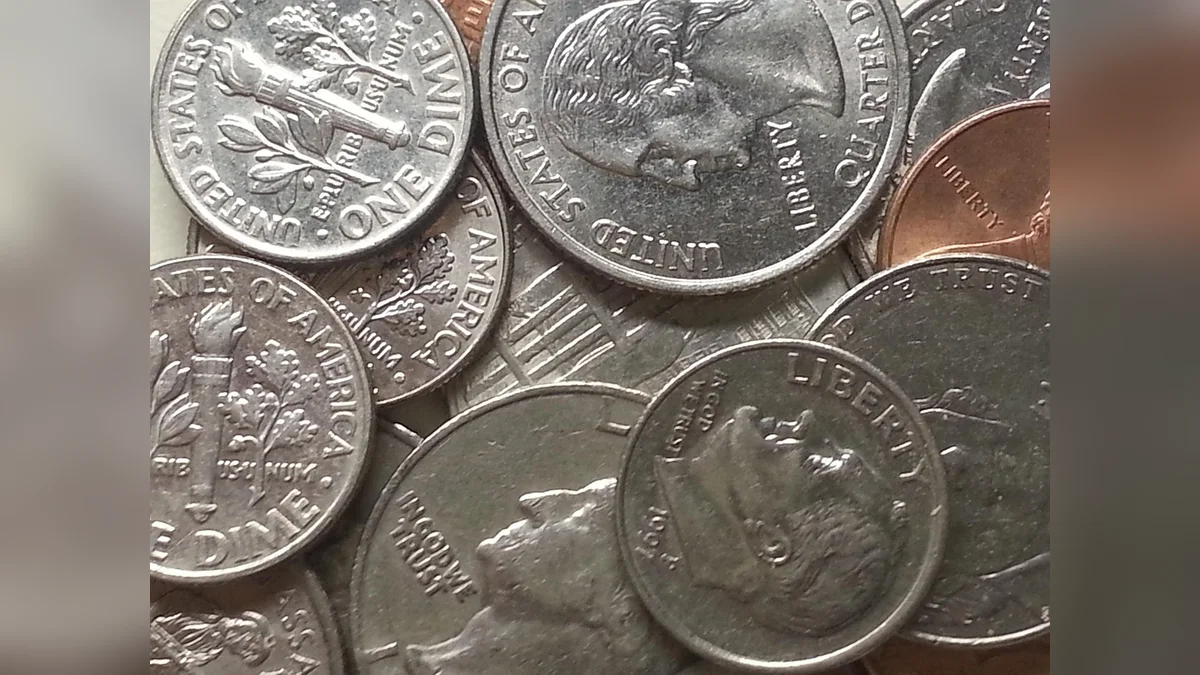
Photograph every item under even lighting. Store the images alongside your inventory sheet so condition changes can be tracked over time.
- Grade each item on a recognized scale and record the grade.
- Note flaws explicitly—creases, toning, edge wear—rather than rounding up.
- Re-check a sample of items every year for deterioration.
In one case, a collector discovered that humidity had caused subtle foxing on paper items stored in a basement. Without annual photo comparisons, the damage would have gone unnoticed until resale.
How to apply this: Build a spreadsheet with columns for item, grade, flaw notes, and photo filename, then update it once a year.
Storage and preservation rules that protect value
Preservation is where most retired collections lose money quietly. Paper, metal, and plastic all degrade under the wrong conditions.
The Library of Congress recommends stable temperature and relative humidity for paper-based materials, and its preservation guidance is publicly available through the Library of Congress. Fluctuation is often worse than a steady but imperfect environment.
Keep items out of attics and basements. Use archival-grade sleeves and boxes labeled as acid-free. Avoid PVC holders, which off-gas and damage surfaces over years.
| Risk factor | What it damages | Action to take |
|---|---|---|
| High humidity | Paper, adhesives, metal | Keep humidity stable; use silica packs |
| Direct sunlight | Inks, labels, plastics | Store in opaque archival boxes |
| PVC holders | Card and photo surfaces | Swap to acid-free, archival sleeves |
| Stacking pressure | Corners, edges, slabs | Store upright, avoid heavy stacking |
| Pests | Paper and organic material | Inspect quarterly; use sealed containers |
A retired collection stored correctly can hold value for decades. Stored badly, even a rare set becomes a liability.
How to apply this: Audit your current holders this week and replace any PVC or non-archival sleeves before further damage occurs.
Valuing and tracking a retired collection over time
Value tracking is a habit, not a one-time event. Markets for collectibles move, and the worth of a retired collection shifts with them.
Use real sales data, not asking prices. Auction result archives and completed-sale records on marketplaces give you actual transaction figures. Asking prices are aspirational and frequently wrong.

Track a small representative sample of your items rather than the entire set. If you monitor ten key pieces quarterly, you get a reliable trend line without constant work.
- Record the date and source of every valuation.
- Separate insurance value from realistic sale value—they differ.
- Note whether a price came from an auction result or a listing.
Consider a scenario where a collector tracked a five-item sample across two years. The trend showed steady demand for high-grade examples and flat interest in mid-grade ones—useful information that shaped which pieces to insure heavily.
How to apply this: Pick ten representative items, log their last known sale prices, and set a calendar reminder to update the figures every three months.
Selling or passing on a closed set the right way
Exit strategy should be decided before you need it. A retired collection sold in a hurry rarely fetches fair value.
Choose your channel deliberately. Auction houses suit high-value, graded pieces. Direct marketplace sales suit mid-range items where fees matter. Bulk dealers suit low-value remainder lots.
Timing matters too. Auction houses often report stronger results when multiple bidders are actively pursuing a category, so watch for periods of heightened interest rather than selling in a quiet market.
Document provenance thoroughly—original receipts, grading certificates, and ownership history all support higher offers. Buyers pay for certainty.
For estate planning, list the set in your will with an approximate valuation and a named advisor who understands the category. Ambiguity here is how collections get liquidated cheaply.
How to apply this: Write a one-page exit plan naming your preferred sales channel, your minimum acceptable price, and the person who should handle the sale.
Frequently Asked Questions About a retired collection
What makes a collection "retired" versus just paused?
A retired collection has a formally closed scope—you have stopped acquiring and defined the finished set. A paused collection still has open slots you intend to fill. The difference affects valuation because closed sets can be assessed as complete units. If you might resume buying, label it paused so appraisers and heirs understand the status.

Can I still sell individual pieces from a closed set?
Yes, but breaking a complete set usually reduces total value. Buyers often pay a premium for completeness, so selling piece by piece can net less overall. If you must split it, sell the highest-grade items individually and bundle the remainder. Document what was removed so the set's history stays clear.
Yes, you can still sell individual pieces, but breaking up a retired collection usually reduces the total value you receive.
Buyers often pay a premium for completeness, so splitting a retired collection piece by piece can net you less overall.
How often should insurance valuations be updated?
Most insurers recommend reviewing collectible valuations every one to three years, or after any major market shift. A retired collection with stable, high-grade items may need less frequent updates than one holding volatile categories. Keep dated valuation records, since claims disputes often hinge on whether coverage reflected current value.
Does grading every item in a retired collection pay off?
Not always. Professional grading costs money per item and only adds value when the item's grade materially changes its price. Grade the key pieces and any item near a grade threshold. For low-value commons, grading often costs more than the value it adds, so leave them raw and documented.
Grading every single item in a retired collection rarely pays off once you add up the per-item fees.
A retired collection only benefits from grading on key pieces and items sitting near a grade threshold.
What records should heirs receive with a closed set?
Heirs need the inventory sheet, grading certificates, purchase receipts, insurance valuations, and your exit plan. Without these, a retired collection gets sold as an unknown lot at a fraction of its worth. Store a digital copy with your estate documents and tell a trusted person where the physical records live.
Conclusion
Managing a retired collection well comes down to a few disciplined habits.
- Define the set precisely so completeness can be verified and valued.
- Grade and photograph everything using recognized standards.
- Store in archival conditions and audit for deterioration yearly.
- Track real sale data on a small sample and plan your exit early.
The next step is simple: open your inventory sheet today and confirm every item is listed with a grade and a photo. That single document is what protects your set's value for years to come—and it is the foundation every well-run retired collection depends on.





