Public support options provide qualifying individuals with vital communication tools to maintain medical connections, handle daily emergencies, and manage household needs. These specialized assistance frameworks help bridge the gap for people managing physical or sensory limitations who face economic barriers, ensuring basic mobile or landline technology remains within reach through government-backed service structures coordinated via federal and state administrative channels.
Understanding Program Fundamentals and Eligibility Standards
Federal Program Structure and General Governance
The primary baseline framework is managed nationally to assist households facing severe financial or social strain. This federal mechanism provides recurring monthly price reductions that participating telecommunications providers often apply toward baseline cellular or landline plans. While the core directive comes from federal oversight, administration occurs through regional databases and designated service providers who verify household income levels or ongoing participation in specific public assistance initiatives.
Qualifying Public Assistance Pathways
Qualification often relies on demonstrating active enrollment in recognized social safety net programs rather than a standalone medical diagnosis. Individuals receiving support through Medicaid, Supplemental Security Income, or federal housing assistance frequently meet the basic financial thresholds automatically. Verifying these enrollments allows applicants to establish their status through centralized databases without needing extensive personal paperwork, streamlining the initial review phase for eligible households seeking reliable communication hardware.

Hardware Distribution and Handset Provisioning
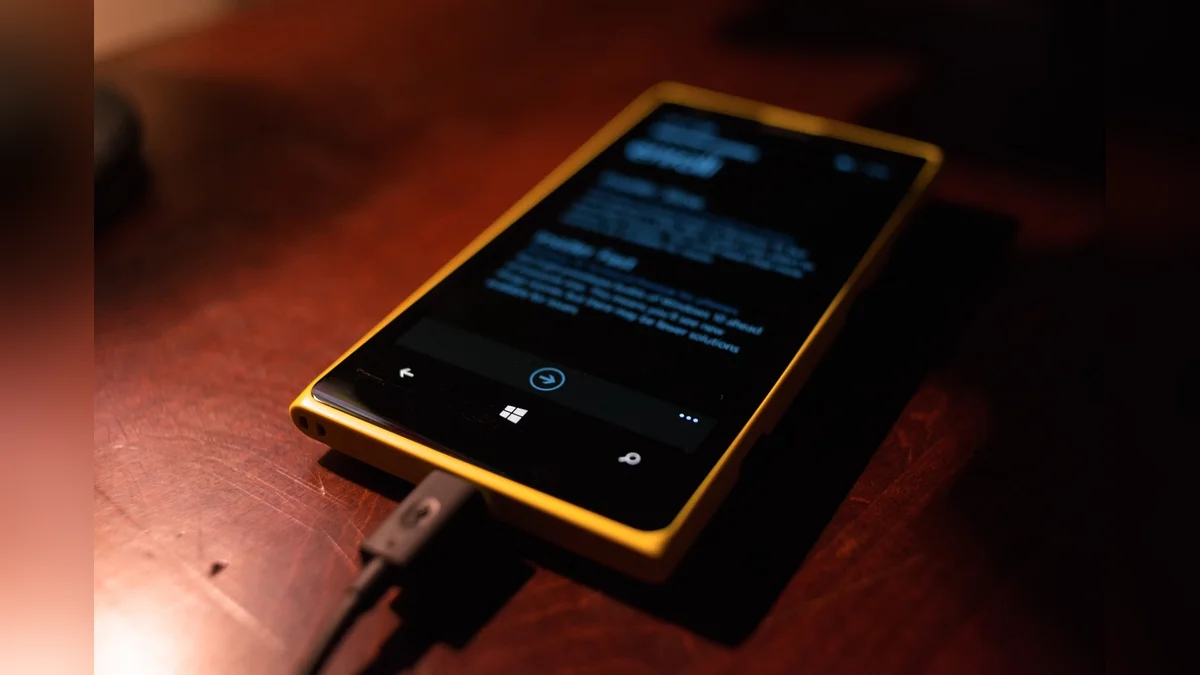
Approved participants frequently receive a functional mobile smartphone along with a recurring allotment of voice minutes, text messaging capability, and mobile data. These devices are distributed directly by private participating carriers rather than government agencies directly. Device models vary by provider and stock availability, meaning recipients typically receive a standard entry-level smartphone equipped with essential touchscreen capabilities, web browsing options, and built-in accessibility features designed for daily use.
Accessibility Options and Special Accommodations
Modern mobile hardware includes built-in software tools designed to assist users with visual, auditory, or motor impairments. Standard operating systems feature customizable text scaling, high-contrast display modes, screen-reading utilities, and voice-command integration that simplify navigation. Individuals can also inquire with their selected service provider about specialized equipment configurations or compatible peripheral devices that match specific physical needs, ensuring the provided technology remains genuinely useful for daily independence and safety.

Navigating Application Steps and Comparing Provider Choices
Completing the verification process requires gathering proof of identity, income, or benefit participation before submitting details through the designated national verification portal or an approved local carrier. Reviewing multiple participating service providers helps identify which company offers the best combination of network coverage, data limits, and customer support responsiveness in your specific geographic area.
| Service Category | Standard Provision | Additional Considerations |
|---|---|---|
| Federal Discount Value | Monthly service credit applied | Varies on Tribal lands or state plans |
| Device Allocation | Basic smartphone model provided | Subject to local carrier inventory |
| Verification Method | Centralized online database check | Manual document upload if needed |
| Annual Recertification | Required yearly status renewal | Prevents accidental service interruption |
Essential Actions for Prospective Applicants
- Review your current benefit statements to confirm active enrollment in qualifying safety net programs.
- Access the official Lifeline Support Portal to check regional rules and provider options.
- Prepare digital or paper copies of required identity and income verification documents beforehand.
- Submit your completed application online or contact a local participating carrier for direct assistance.
Frequently Asked Questions
Does a medical diagnosis alone qualify someone for a free device?
Medical conditions do not automatically grant a device under standard federal rules unless the household also meets general financial guidelines or participates in an approved low-income assistance program.
Can a household receive more than one discounted service?
Federal regulations strictly limit the recurring monthly support to a single phone or internet benefit per residential household to prevent duplication.

What happens if annual eligibility recertification is missed?
Failing to respond to yearly renewal notices results in de-enrollment from the program, which terminates the monthly service credit and free allotments.
Conclusion
Securing affordable communication tools offers valuable peace of mind and dependable connectivity for daily life. Review your current household benefit records today and visit the official FCC Lifeline Consumer Information Page to begin exploring available provider options in your local area.