Antigua and Barbuda retirement is increasingly on the radar of North Americans and Europeans seeking a warm, tax-friendly, and safe Caribbean lifestyle. According to the Antigua and Barbuda Citizenship by Investment Unit, the country has welcomed thousands of new residents through its various residency and citizenship programs over the past decade.
The challenge most prospective retirees face is separating marketing hype from the practical realities of daily life, healthcare access, and financial requirements. This article breaks down the essential facts, costs, and strategies you need to evaluate whether this twin-island nation fits your retirement vision.
Understanding the Residency and Citizenship Landscape
Antigua and Barbuda offers multiple pathways for retirees, each with distinct financial thresholds and timelines. The most straightforward option for retirees who want to test the waters is the Temporary Residence Permit, which allows stays of up to six months and can be renewed.
For those ready to commit, the Permanent Residence route requires proof of sufficient income or assets, typically documented through bank statements and pension verification. Understanding these pathways is essential for anyone pursuing antigua and barbuda retirement.
The country's Citizenship by Investment Program is one of the most established in the Caribbean. A non-refundable contribution to the National Development Fund starts at a specific threshold set by the government, while real estate investments offer an alternative route with higher minimums.
The Antigua and Barbuda government's official website states that successful applicants gain visa-free travel to over 150 countries, a significant draw for retirees who plan to travel.
How to apply this: Request the current fee schedule and application forms directly from the Antigua and Barbuda Citizenship by Investment Unit before consulting any third-party agent.
Income Requirements and Financial Proof
Retirees must demonstrate a stable, verifiable income stream. The government generally expects applicants to show annual income that covers living expenses without local employment. Pensions, Social Security payments, annuities, and investment dividends all qualify. Meeting these income thresholds is a foundational step in any antigua and barbuda retirement plan.
Cost of Living: What Retirees Actually Spend
Antigua and Barbuda retirement costs vary significantly depending on whether you live like a local or maintain a North American lifestyle. A couple renting a two-bedroom apartment outside tourist zones can live comfortably on a moderate budget, while those seeking beachfront properties and imported goods will spend considerably more.
Utilities represent a notable expense. Electricity rates on the island are among the highest in the Caribbean due to diesel-generated power. Many retirees report monthly electricity bills that exceed what they paid in the United States for comparable usage. Internet service is widely available through providers like FLOW and Digicel, with fiber options in populated areas.

Budgeting for these utilities is a critical component of antigua and barbuda retirement planning.
Groceries cost roughly 30-50% more than U.S. mainland prices for imported items, while local produce, fish, and chicken remain affordable. Dining out ranges from inexpensive local cookshops to high-end restaurants at international prices.
| Expense Category | Typical Monthly Cost (Couple) | Action to Take |
|---|---|---|
| Rent (2-bedroom, non-beachfront) | $1,200 - $2,500 | Search listings on local real estate sites before committing |
| Utilities (electricity, water, internet) | $300 - $600 | Ask current expats for actual bill examples |
| Groceries (mixed local/imported) | $600 - $1,000 | Shop at public markets for produce |
| Healthcare (insurance plus out-of-pocket) | $200 - $500 | Compare international health plans |
| Transportation (car payment, fuel, insurance) | $300 - $700 | Consider a used Japanese import |
How to apply this: Join expat Facebook groups like "Antigua Expats" and ask current residents to share recent utility bills and grocery receipts for realistic budgeting.
Healthcare Access and Insurance Realities
Healthcare in Antigua and Barbuda is adequate for routine care but limited for complex procedures. The main public facility, Mount St. John's Medical Centre, handles emergencies and general care. For advanced cardiac, oncology, or specialized surgical needs, medical evacuation to Miami, Puerto Rico, or Colombia is often necessary.
Anyone considering antigua and barbuda retirement must factor these healthcare limitations into their decision.
International health insurance with evacuation coverage is non-negotiable for most retirees. Plans from providers like Cigna Global or IMG offer region-specific coverage that includes air ambulance services. The Antigua and Barbuda government does not provide universal healthcare to foreign retirees, so private insurance is essential.
Prescription medications are generally available at local pharmacies, but retirees on specialized medications should verify availability and import regulations before moving. Some medications require permits or are only available through private import channels.
How to apply this: Obtain quotes from at least three international health insurers and confirm that medical evacuation to a U.S. facility is included in the policy before relocating.
Tax Advantages and Financial Planning
One of the strongest draws for antigua and barbuda retirement is the tax environment. The country imposes no capital gains tax, no inheritance tax, and no tax on worldwide income for residents. This structure is particularly attractive to retirees with investment portfolios, rental properties abroad, or significant retirement accounts.
For many, the tax benefits alone justify pursuing antigua and barbuda retirement.
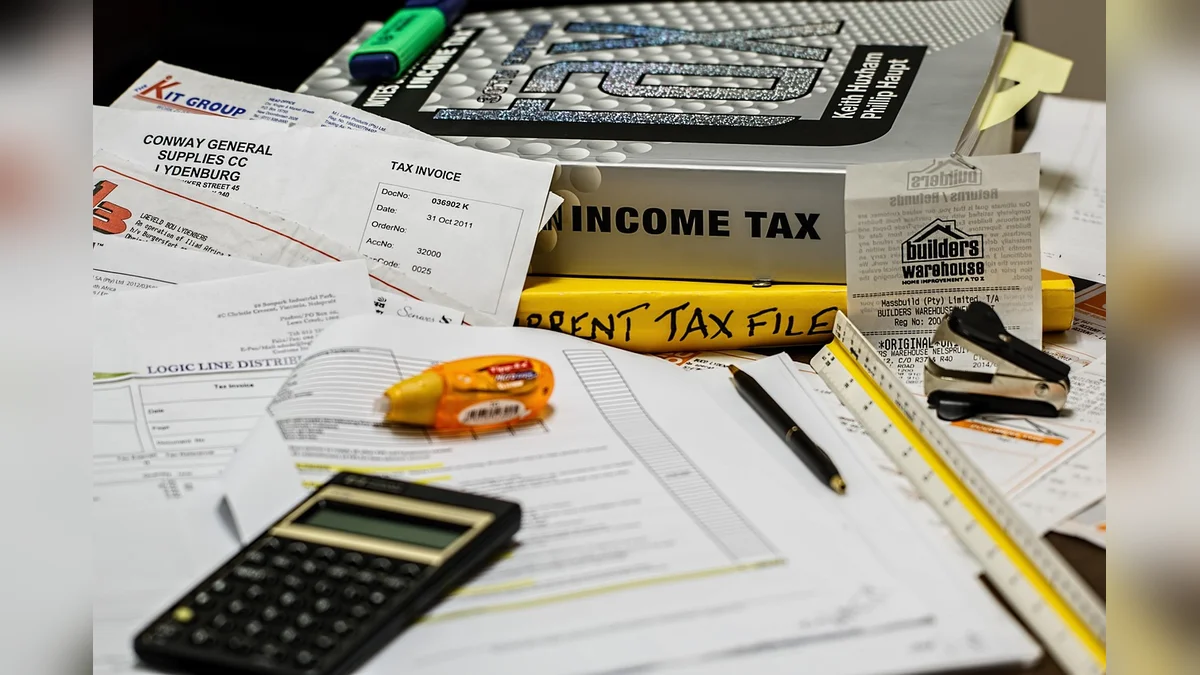
However, U.S. citizens remain subject to IRS reporting requirements regardless of residency. The IRS explains that U.S. taxpayers must report worldwide income and file FBAR forms for foreign accounts exceeding $10,000 in aggregate. Consulting a cross-border tax professional before establishing residency is critical to avoid costly compliance errors.
Banking options include local institutions like Antigua Commercial Bank and international banks with Caribbean branches. Opening accounts requires proof of residency, reference letters, and source-of-funds documentation.
How to apply this: Schedule a consultation with a CPA who specializes in expatriate taxation to map out your filing obligations before you move.
Real Estate: Renting First, Buying Later
Many retirees make the mistake of purchasing property before experiencing island life. Antigua and Barbuda retirement experts consistently recommend renting for at least 12 months before buying. This allows you to evaluate neighborhoods, hurricane season realities, and whether the island lifestyle suits you long-term.
Property prices vary dramatically by location. Beachfront condos in Jolly Harbour or English Harbour command premium prices, while inland properties in villages like All Saints or Swetes offer significantly lower entry points. Foreign buyers face no restrictions on property ownership, though the purchase process includes stamp duties and legal fees that add approximately 10-15% to the transaction cost.
Rental inventory includes long-term options that are substantially cheaper than short-term vacation rentals. A one-year lease on a modest apartment can cost half the nightly rate equivalent of tourist accommodations. Taking time to explore different areas is a wise approach to antigua and barbuda retirement.
How to apply this: Book a three-month rental in your target area during the off-season (May to November) to experience daily life and negotiate long-term lease terms.
Frequently Asked Questions About antigua and barbuda retirement
How safe is Antigua and Barbuda for retirees?
Antigua and Barbuda is generally safe, with crime concentrated in specific areas and often involving locals rather than tourists or expats. Petty theft occurs, so standard precautions apply. The U.S. State Department maintains a travel advisory page with current safety assessments. Retirees who live in gated communities or established expat neighborhoods report high satisfaction with personal safety.
Safety for retirees is generally good, though standard precautions against petty theft still apply during antigua and barbuda retirement.
Most expats find crime rarely affects them directly, making antigua and barbuda retirement feel secure in everyday life.

Can I bring my pet when retiring to Antigua and Barbuda?
Yes, but the process requires planning. Pets need an import permit from the Veterinary Division, current rabies vaccination certificates, and health certificates issued within specific timeframes. Antigua and Barbuda is rabies-free, so quarantine requirements are strict. Some airlines restrict pet travel during summer months due to heat, so schedule moves between November and April.
Bringing a pet requires advance planning with import permits, rabies certificates, and health documents for antigua and barbuda retirement.
What is the hurricane season impact on retirement there?
Hurricane season runs June through November, with peak activity August to October. Antigua and Barbuda has experienced significant hurricanes, including Irma in 2017 that devastated Barbuda. Retirees should budget for hurricane insurance on owned property, maintain an emergency fund, and choose homes built to modern building codes. Many expats maintain a secondary residence or plan extended travel during peak season.
Hurricane season from June through November requires preparedness and insurance planning for antigua and barbuda retirement.
Do I need to learn a local language for antigua and barbuda retirement?
English is the official language, so no additional language skills are required. The local dialect incorporates African and British influences, but standard English is used in government, healthcare, and business. This linguistic ease is a significant advantage compared to retirement destinations in Latin America or parts of Europe.
English is the official language, so no new language skills are needed for antigua and barbuda retirement.
How does antigua and barbuda retirement compare to other Caribbean islands?
Antigua and Barbuda offers a middle ground between expensive destinations like the Cayman Islands and more affordable options like the Dominican Republic. The citizenship by investment program is competitively priced, the English-speaking environment reduces friction, and the 365 beaches provide lifestyle appeal.
However, healthcare infrastructure lags behind Barbados and the Cayman Islands, so retirees with complex medical needs may prefer those alternatives.
Antigua and Barbuda occupies a middle cost tier, balancing affordability and amenities for antigua and barbuda retirement.
Conclusion
- Antigua and Barbuda retirement offers tax advantages, English-speaking convenience, and a welcoming residency framework
- Budget realistically for utilities, imported groceries, and international health insurance with evacuation coverage
- Rent for at least one year before purchasing property to test island life and neighborhood fit
- Consult cross-border tax and legal professionals before relocating to avoid compliance pitfalls
Your next step is to request official program documents from the Citizenship by Investment Unit and schedule a scouting trip during the off-season. Three months on the island will answer more questions than any amount of online research.





