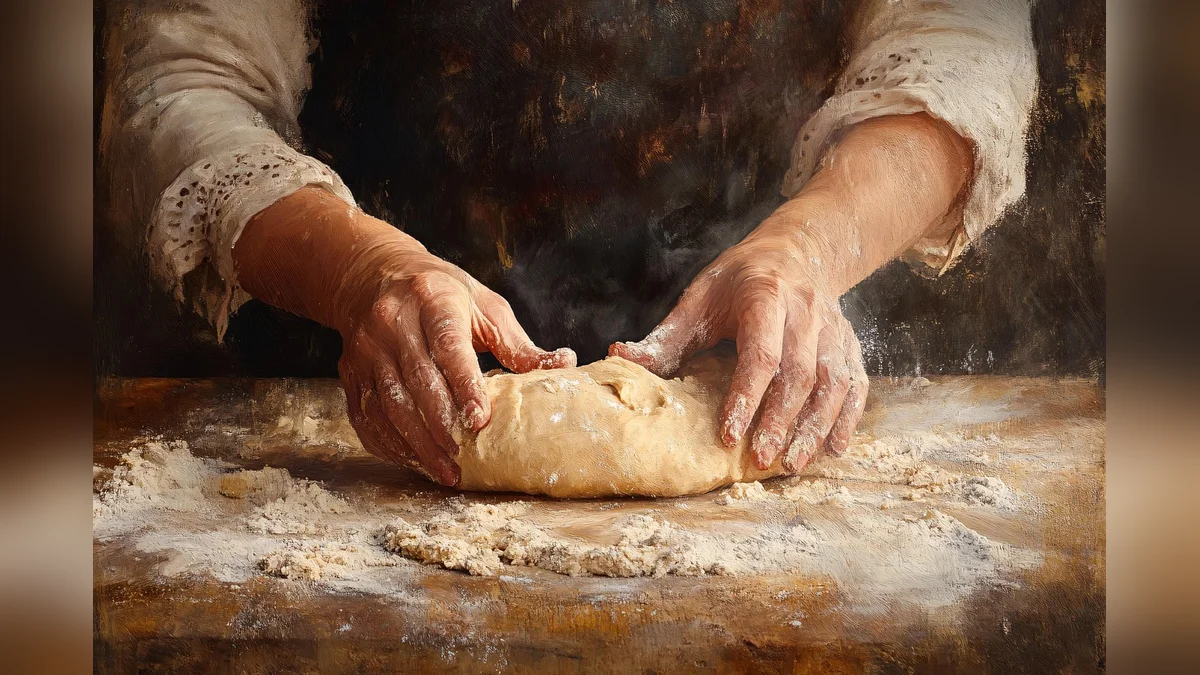
Participating in arts and crafts during daytime care settings provides older adults with meaningful opportunities for creative expression and social engagement. These structured sessions support fine motor skills, emotional well-being, and personal fulfillment through hands-on projects tailored to diverse physical and cognitive abilities, enriching daily routines in community-based day centers across the country.
Core Benefits of Creative Activities
Cognitive Engagement and Mental Stimulation
Engaging with color, texture, and design requires decision-making and problem-solving that gently stimulate neural pathways. Selecting paint palettes, measuring materials, or planning a pattern encourages concentration and focus during daily sessions. This mental involvement breaks up routine schedules and invites participants to exercise spatial awareness while enjoying a sense of purposeful concentration. Creative challenges spark curiosity and help individuals maintain cognitive flexibility without feeling overwhelmed by complex academic tasks or stressful testing environments.
Fine Motor Skill Maintenance
Handling paintbrushes, threading beads, cutting paper, or molding clay offers practical physical exercises for hands and fingers. These repetitive, low-impact movements help preserve dexterity, hand-eye coordination, and joint flexibility over time. Staff members often adapt tools with larger grips or softer mediums to accommodate arthritis or reduced grip strength comfortably. Regular practice strengthens small muscle groups organically, enabling participants to retain greater independence in everyday self-care tasks like buttoning shirts or handling utensils during shared meals.

Emotional Expression and Stress Relief
Visual arts provide a comforting nonverbal outlet for processing emotions, memories, and daily moods when words become difficult to find. Working on a personal canvas or assembling a keepsake collage allows participants to externalize feelings in a safe environment. The rhythmic nature of crafting lowers internal tension and fosters a calm atmosphere within the room. Completing a tangible piece of work brings a genuine surge of pride, boosting self-esteem and counteracting feelings of isolation that sometimes accompany growing older.
Social Connection and Community Building
Sitting around a shared craft table naturally inspires conversation, laughter, and cooperative storytelling among peers. Group projects transform individual hobbies into collective experiences where participants compare techniques and compliment one another's progress. Facilitators guide these interactions to ensure every attendee feels included regardless of their pace or communication style. This supportive social fabric builds lasting friendships and establishes a dependable routine that members look forward to attending each week throughout the season.

Planning and Adapting Craft Sessions
Designing effective craft programs requires balancing accessibility with creative freedom to accommodate varied physical strengths and energy levels. Facilitators select non-toxic, lightweight supplies and organize workstations with ample lighting and clear pathways. Adapting instructions into manageable steps ensures that every participant experiences steady progress and personal satisfaction during the session.
| Craft Activity | Primary Physical Focus | Common Program Adaptation |
|---|---|---|
| Water-based Painting | Brush control and arm movement | Use thick-handled brushes and stable easels |
| Paper Collage | Tearing, sorting, and pasting | Pre-cut shapes and easy-squeeze glue sticks |
| Air-dry Clay Molding | Hand strength and tactile sense | Warm soft clay and smooth rolling boards |
| Yarn and Fabric Crafts | Bilateral coordination and touch | Large wooden needles and pre-punched holes |
Essential Implementation Steps for Care Teams
- Assess individual motor abilities and sensory preferences before selecting daily project materials.
- Prepare well-lit and spacious tables with easy access to water and cleanup supplies.
- Demonstrate techniques clearly using slow verbal cues alongside a visual finished sample.
- Encourage personal choice while offering gentle hands-on assistance only when requested or needed.
Frequently Asked Questions
Do participants need prior art experience to join?
Prior artistic background is completely unnecessary for joining daytime craft groups. Programs focus on personal enjoyment, sensory exploration, and social interaction rather than formal technical skill or gallery-quality perfection.
How do centers handle participants with memory loss?
Staff use simplified step-by-step guidance, familiar tactile materials, and patient encouragement. Creative expression allows nonverbal communication, helping individuals connect with feelings and others even when verbal recall fluctuates.

What safety measures are maintained during sessions?
Facilitators provide non-toxic, washable, and lightweight supplies while supervising tool use closely. Workspaces are kept clutter-free and accessible to accommodate walkers, wheelchairs, and varying energy spans comfortably.
Conclusion
Arts and crafts programs in senior day care settings enrich daily life by combining gentle physical movement, cognitive engagement, and warm social camaraderie. Exploring local community centers or visiting resources like the National Institute on Aging can help families discover suitable creative opportunities nearby.