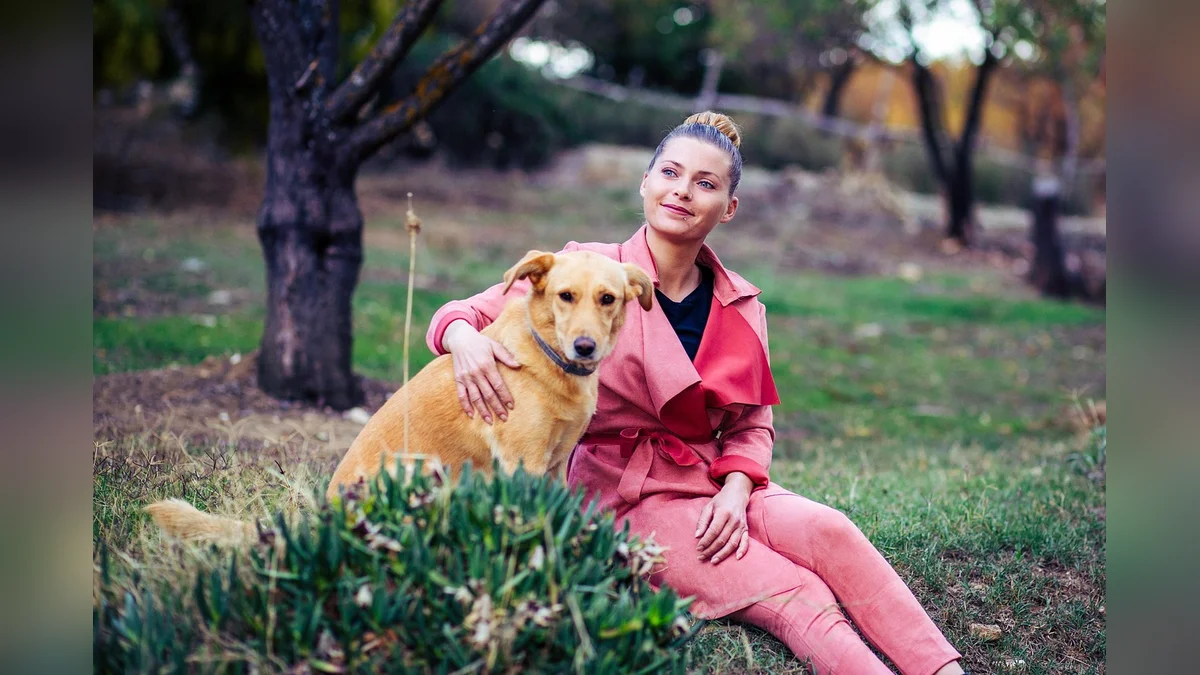
Retired war dogs represent a unique category of canine companions who have spent their formative years serving alongside military or security personnel. These remarkable animals transition from high-stakes operational roles to civilian households, requiring thoughtful preparation, patience, and a deep understanding of their background. Welcoming one of these veteran animals into a private residence involves structured screening processes, dedicated care routines, and a profound commitment to supporting their long-term physical and emotional adjustment after years of disciplined duty.
Understanding the Transition From Active Duty to Civilian Life
Origins and Training Background of Service Canines
Military working dogs begin their journeys with intensive selection and specialized instruction designed to cultivate obedience, tracking, and protection capabilities. Handlers build strong operational bonds with these animals through rigorous daily routines under challenging field conditions. When physical aging, health shifts, or mission changes occur, these four-legged veterans complete a formal evaluation to determine readiness for retirement. Transitioning away from constant tactical tasks requires gradual decompression so the animal can learn to relax in quiet neighborhood environments.
Behavioral Adjustments in Home Environments
Adjusting to a domestic lifestyle presents novel stimuli that differ sharply from kennels or deployment zones. Everyday noises such as household appliances, traffic sirens, or visiting neighbors can trigger alert behaviors initially. Caregivers must establish predictable daily rhythms regarding meals, rest, and gentle exercise to build trust and security. Many retired service animals appreciate having a quiet designated retreat space where they can decompress without feeling overwhelmed by household activity or sudden guest arrivals.

Medical and Physical Care Considerations
Years of strenuous physical labor across varied terrain can leave veteran dogs with joint stiffness, minor injuries, or specialized dietary needs. Regular veterinary checkups help monitor mobility, dental health, and overall comfort as the animal advances in age. Pain management strategies or joint supplements often play a vital role in maintaining daily quality of life. Prospective guardians should review health records carefully and plan for ongoing medical attention tailored to working-breed longevity.
Legal Frameworks and Placement Organizations
Federal legislation and specialized placement groups manage the formal transition of military and government service dogs into civilian hands. Organizations such as Mission K9 Rescue assist with evaluations, transportation logistics, and matching qualified households with appropriate candidates. Prospective owners undergo comprehensive background checks, home safety inspections, and reference verifications. These safeguards ensure that each veteran canine transitions safely into an environment equipped to honor its service history.

Practical Steps for Welcoming a Veteran Canine
Preparing a household for a retired service dog requires practical adjustments that prioritize safety, clear boundaries, and calm guidance. Establishing a structured environment helps these intelligent animals navigate civilian life with confidence and minimal stress.
| Operational Domain | Working Environment Traits | Civilian Home Transition Needs |
|---|---|---|
| Daily Structure | Strict operational schedules and constant handler cues | Consistent daily routines with calm independence |
| Physical Demands | High-intensity patrolling and heavy task execution | Low-impact walks and comfortable joint support |
| Social Interaction | Focused partnership with assigned military handler | Gradual socialization with selected family members |
| Space Requirements | Kennel facilities and secure operational perimeters | Fenced yard access and quiet indoor resting zones |
Essential Checklist for Prospective Caregivers
- Verify local housing regulations and secure high fencing around all outdoor activity perimeters.
- Consult experienced veterinarians regarding specialized joint care and working-breed nutrition plans.
- Establish a quiet, distraction-free sleeping corner before the veteran canine arrives home.
- Commit to patient, positive reinforcement training methods tailored to established obedience cues.
Frequently Asked Questions
Who is legally eligible to adopt a retired military working dog?
Adult civilians who pass comprehensive background reviews and home safety assessments can apply through authorized rescue networks. Requirements typically include proof of stable housing, secure fencing, and demonstrated experience managing high-drive or working-breed canines.
Do retired war dogs get along with other household pets?
Compatibility depends heavily on the individual dog’s socialization history, prey drive, and temperament evaluation. Many placement groups test candidates extensively to determine whether they thrive best as solitary companions or alongside other animals.

What financial costs should families anticipate for veteran dogs?
Routine expenses cover high-quality nutrition, regular preventive veterinary care, and potential senior health management. Older working breeds may require specialized joint medications or physical therapy as they age gracefully.
Conclusion
Adopting a retired military or service dog offers a meaningful way to honor an animal that dedicated its life to protecting others. By offering a calm home and attentive care, families can ensure these veteran canines enjoy a peaceful and dignified retirement.