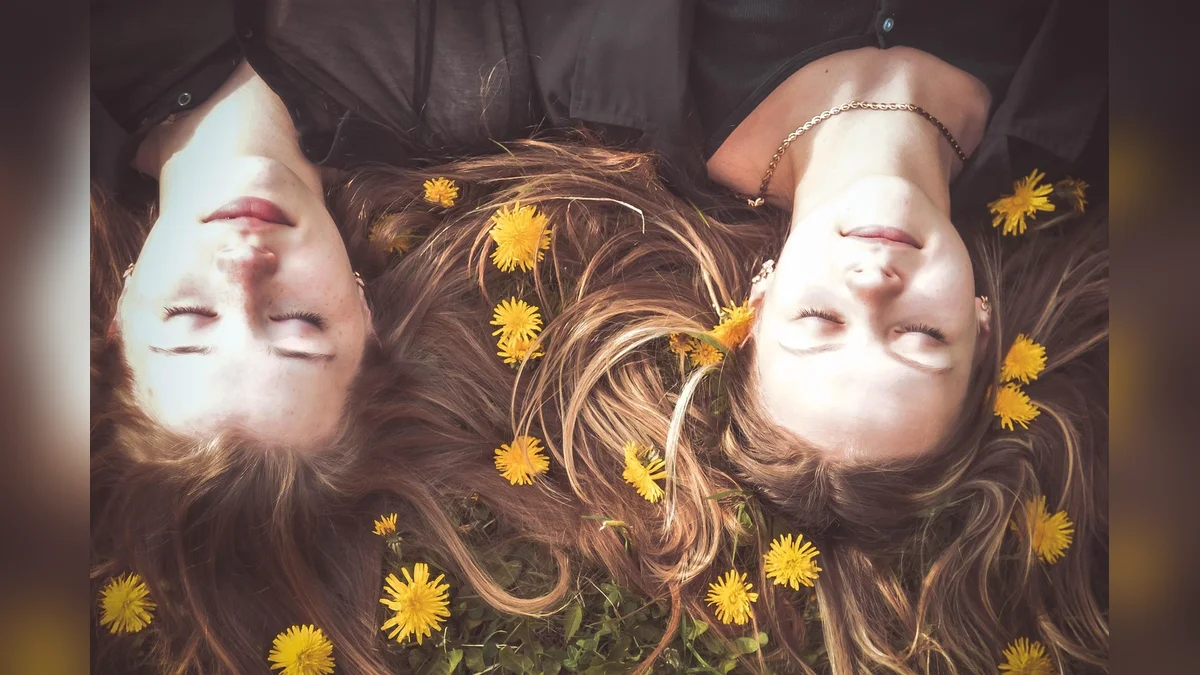
An imagination gym engages older adults in structured mental visualization exercises to strengthen working memory, spatial processing, and daily cognitive flexibility. By intentionally summoning vivid sensory details and narrative scenarios without physical strain, participants foster neuroplasticity and build resilient mental pathways that support independent decision-making and everyday problem-solving proficiency across diverse lifestyle contexts.
Core Mechanisms and Cognitive Benefits
Neural Plasticity and Visualization
Mental imagery activates neural circuits overlapping heavily with physical perception and actual motor execution in the human brain. When older adults deliberately visualize complex shapes or narrative sequences, they recruit prefrontal and parietal regions responsible for executive oversight. This targeted internal simulation encourages synaptic maintenance and supports cognitive reserve over time, reinforcing baseline mental agility without requiring strenuous physical exertion or specialized equipment.
Working Memory Enhancement
Structured visualization routines compel the mind to temporarily hold and manipulate rich sensory representations in active awareness. Older practitioners learn to organize abstract concepts into memorable mental tableaux, which directly improves short-term recall and verbal list retention. Regular engagement with these encoding strategies helps mitigate common age-related declines in processing speed while boosting overall confidence during daily information-handling tasks.

Emotional Regulation and Stress Relief
Guided imaginative journeys invite participants to construct tranquil environments or replay comforting memories with multisensory clarity. This internal focus dampens sympathetic nervous system arousal and lowers subjective tension levels in daily life. Cultivating a calm inner landscape provides an accessible emotional buffer, encouraging relaxation and enhancing subjective well-being through routine self-guided mental practices.
Social Connectivity and Shared Narratives
Group imagery sessions bridge individual reflection with communal storytelling and verbal description exercises. Sharing visualized scenarios with peers stimulates conversational fluency, deepens empathy, and combats feelings of isolation among older community members. Interactive mental exploration merges personal creativity with social engagement, creating vibrant verbal exchange that enriches day-to-day interpersonal communication.

Integrating Practice Into Daily Routines
Establishing a sustainable mental visualization habit requires anchoring short sessions to familiar domestic moments like morning coffee or evening unwinding. Starting with simple five-minute prompts allows participants to build concentration steadily without mental fatigue, turning abstract cognitive maintenance into an enjoyable everyday ritual.
| Training Modality | Primary Mechanism | Typical Daily Application |
|---|---|---|
| Imagination Gym | Internal sensory visualization and narrative simulation | Quiet reflection, memory recall, and calm focus drills |
| Physical Exercise | Cardiovascular conditioning and neuromuscular coordination | Walking, balance drills, and structured movement classes |
| Word Puzzles | Lexical retrieval and pattern recognition challenges | Solving crosswords, cross-words, or daily trivia prompts |
| Social Strategy Games | Tactical planning and verbal interaction with peers | Playing card games, board games, or group trivia |
Actionable Steps for Beginning Practice
- Select a quiet room free from distractions before starting your daily visualization exercise.
- Close your eyes and breathe deeply to center your attention on inner quietness.
- Picture a familiar room item with vivid color and texture details clearly.
- Recall three distinct sounds from a cherished outdoor memory before opening your eyes.
Frequently Asked Questions
What is an imagination gym for seniors?
It is a structured mental fitness routine focused on deliberate visualization and sensory simulation exercises designed to support memory and cognitive flexibility. Explore broader concepts on Forbes Health to see how mental routines complement overall wellness.
How long should a session last?
Most guided practice sessions last between five and ten minutes to prevent mental fatigue while maintaining high concentration. Consistent short durations yield better results than sporadic, exhausting long sessions.
Do I need any special equipment to start?
No physical tools or digital devices are required since all exercises happen entirely through internal mental focus and guided verbal prompts. Review scientific findings on PubMed to learn how mental imagery supports senior memory.
Conclusion
Embracing a personal mental imagery routine offers a gentle, accessible pathway to nurture long-term cognitive health and everyday focus. Dedicate five quiet minutes today to visualize a peaceful scene and observe your mental clarity shift.