Visual arts offer a transformative pathway for individuals navigating learning disabilities by shifting communication from rigid linguistic structures to tactile, nonverbal exploration. Engaging in painting, sculpting, or drawing encourages cognitive flexibility, reduces stress, and provides alternative channels for processing complex internal thoughts that traditional language-based methods sometimes fail to capture completely or comfortably.
Core Dimensions of Art in Learning Support
Neurobiological Pathways and Dopamine Regulation
Participating in creative studio activities stimulates natural chemical responses inside the brain, including the release of dopamine associated with focus and reward. When individuals who experience processing differences or attention challenges work with art materials, this biochemical shift frequently translates into sustained concentration and reduced anxiety. Instead of forcing compliance through standard academic drills, creative engagement leverages intrinsic motivation to stabilize mood and enhance overall mental stamina during daily tasks.
Nonverbal Processing and Emotional Articulation
Many adults who live with dyslexia, processing variations, or executive functioning hurdles struggle to articulate intense feelings through spoken or written language. Visual media bypass these verbal bottlenecks by allowing feelings to manifest directly through color, line, and texture. Constructing a physical representation of an abstract internal state grants makers a safe distance to inspect, reframe, and gently resolve frustrations or past emotional distress without fear of judgment.
Spatial Reasoning and Fine Motor Integration
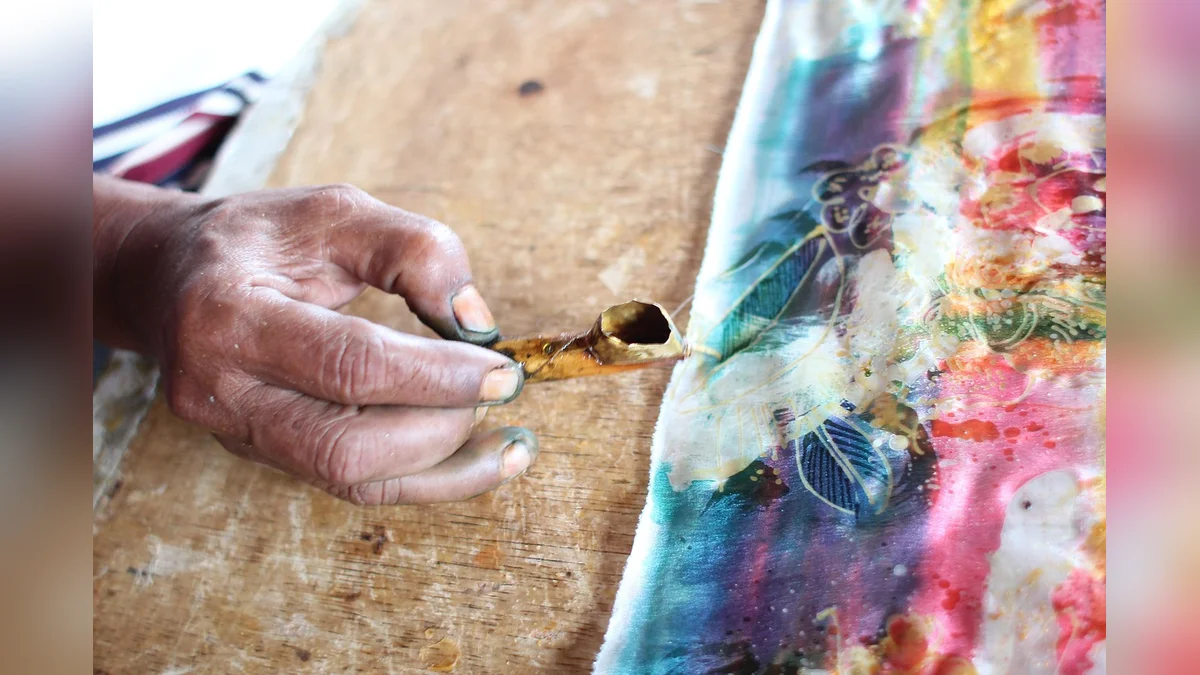
Working across diverse artistic mediums naturally challenges the brain to coordinate spatial awareness with physical movement. Shaping clay, balancing brushstrokes, or arranging mosaic tiles strengthens fine motor control and visual-spatial navigation skills that support broader independence. These hands-on exercises build neurological pathways that translate into better spatial organization, pattern recognition, and confidence when managing physical or structural tasks in everyday environments.
Community Connection and Identity Empowerment
Engaging in shared creative spaces cultivates a vital sense of belonging for individuals who often feel isolated by educational or workplace accommodations. Collaborative projects or community studio groups shift the focus away from perceived deficits toward authentic personal strengths and unique aesthetic voices. Exhibiting artwork or simply sharing techniques with peers fosters mutual respect, dismantles social stigma, and reinforces a resilient, positive self-image rooted in capability.

Implementing Creative Practice in Everyday Routines
Integrating artistic exploration into mature adult schedules requires low-pressure environments and accessible materials that honor individual pacing. Establishing a dedicated corner with flexible sketchpads, textured clays, or watercolors allows participants to engage on their own terms without rigid performance expectations or grading criteria.
| Medium Type | Primary Cognitive Benefit | Practical Application |
|---|---|---|
| Freehand Drawing | Enhances visual-spatial focus | Daily micro-sketching exercises |
| Clay Sculpting | Promotes tactile grounding | Sensory stress reduction |
| Watercolor Painting | Encourages emotional release | Fluid color-mood exploration |
| Mixed Media Collage | Builds executive sequencing | Layered thematic storytelling |
Steps to Evaluate Your Creative Engagement
- Select a comfortable material that invites curiosity rather than triggering performance anxiety.
- Notice how your breathing and physical tension shift during active creative sessions.
- Reflect on your finished piece without applying harsh judgment or critical academic standards.
- Share your creative process with a supportive community or local studio group.
Frequently Asked Questions
Does art experience require formal training to provide cognitive benefits?
No prior training or artistic background is needed to experience the mental health and cognitive advantages of creative expression. The primary value stems from the act of sensory exploration and personal expression rather than technical perfection.
Can visual arts complement traditional speech or occupational therapies?
Creative activities frequently reinforce goals established in speech, physical, or cognitive behavioral therapies by offering an alternative, low-stress medium to practice communication, emotional regulation, and motor control.

How do colors and textures impact emotional self-regulation?
Interacting with specific tactile materials and color tones helps ground overwhelmed nervous systems, making it easier to identify, process, and externalize complex internal states safely.
Conclusion
Embracing visual arts opens meaningful doors for adults seeking deeper self-expression and cognitive balance beyond conventional communication limits. Exploring a local community art center or setting up a simple sketch space at home offers an immediate, empowering next step.