Local community spaces and specialized civic organizations provide a wide variety of engaging activities designed for older adults looking to stay active, build social connections, and explore new hobbies. From creative arts classes and fitness sessions to guided outdoor walking groups, these options support daily well-being while matching diverse personal interests and mobility needs across neighborhoods.
Exploring Popular Program Categories and Options
Low-Impact Fitness and Movement Classes
Structured physical sessions help maintain balance, strength, and overall mobility in a supportive setting. Many community hubs offer specialized workouts like chair yoga or gentle resistance training tailored to different physical comfort levels. Instructors focus on safe body mechanics rather than high-intensity strain. Participants can often join through broader wellness initiatives like SilverSneakers or local fitness centers. These group classes also foster regular social interaction alongside standard physical conditioning.
Creative Arts and Hands-On Workshops
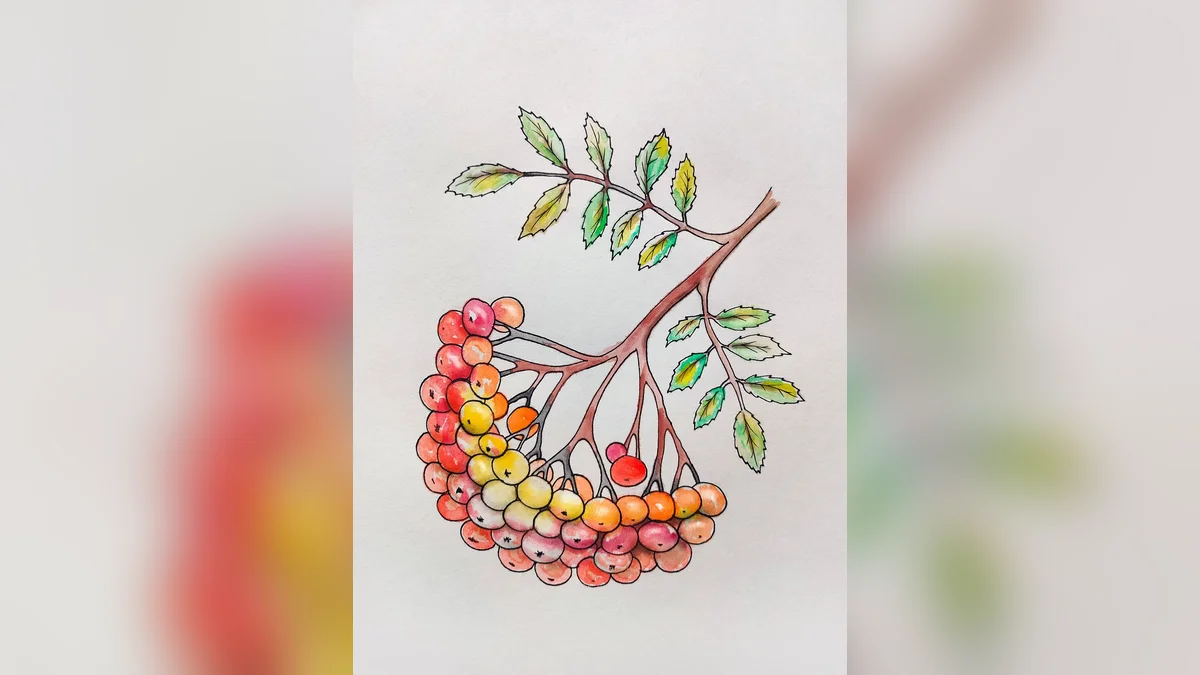
Painting, drawing, and crafting sessions invite participants to express creativity in a relaxed communal environment. Public facilities frequently supply necessary materials or welcome individuals bringing ongoing personal projects. No prior artistic background is required to start exploring different mediums. Local instructors guide attendees through step-by-step techniques at a comfortable individual pace. Collaborative project displays often connect artists with neighbors during community center showcases and seasonal gatherings.

Social Walking Clubs and Outdoor Trails
Organized walking groups meet regularly in neighborhood parks, indoor tracks, and community pathways. These gatherings encourage consistent movement while offering a natural setting for conversation. Routes accommodate varying distances and speeds to ensure comfort for everyone. Seasonal weather changes are usually managed by shifting between outdoor parks and sheltered indoor corridors. Interested walkers can find regional resources and starter guidelines through networks like AARP Create the Good.
Lifelong Learning and Civic Engagement Groups
Intellectual curiosity remains a central part of community life through lectures, book clubs, and technology workshops. Volunteers and local educators host discussions on history, regional heritage, and digital skills. Educational sessions often take place at municipal libraries or neighborhood senior centers. Participating in group dialogues helps maintain sharp cognitive engagement and mental agility. Many groups also plan group field trips to regional museums and historical sites.
Choosing the Right Program for Daily Life
Selecting suitable activities depends on balancing personal fitness comfort, scheduling preferences, and transportation options. Most community centers offer trial sessions or open houses to test classes before committing to a regular weekly routine.
| Program Category | Primary Focus | Typical Setting |
|---|---|---|
| Fitness Classes | Balance and strength | Indoor studio or gym |
| Arts and Crafts | Creative expression | Community activity room |
| Walking Clubs | Cardio and socialization | Parks or indoor track |
| Learning Circles | Discussion and skills | Library or meeting hall |
Steps to Evaluate Local Options
- Review current schedules published by municipal recreation departments or neighborhood centers.
- Confirm whether instructor-led classes accommodate individual physical or mobility modifications.
- Check if insurance benefits or community discounts apply to membership fees.
- Visit a session in person to observe the group atmosphere.
Frequently Asked Questions
Are community activities open to beginners?
Most community classes and walking groups explicitly welcome individuals with no prior experience. Instructors provide gentle guidance and encourage participants to move at their own pace without any pressure to perform advanced techniques.
How do I find programs near my home?
Local options are best discovered by checking city recreation department websites, calling regional senior centers, or visiting community bulletin boards. Public libraries also keep updated lists of weekly neighborhood gatherings and clubs.

Do these programs require special equipment?
Basic supplies for art classes or fitness sessions are usually provided on-site. Comfortable walking shoes and standard casual clothing are typically all that participants need to bring for movement-based groups.
Conclusion
Getting involved in local community programs offers a rewarding way to stay physically active and socially connected. Review your local municipal recreation calendar today to find an upcoming class or walking group that matches your personal routine.