No contact functions as a severe boundary rather than a guaranteed fix, offering temporary emotional relief or deep isolation depending on individual family circumstances, communication history, and underlying psychological needs. While some individuals experience reduced daily conflict after severing ties, others face compounding grief, unresolved questions, and a profound sense of abandonment that complicates long-term emotional well-being across later stages of adulthood.
Understanding Family Estrangement and Emotional Distance
Emotional Safety Versus Total Isolation
Setting firm boundaries can shield vulnerable older adults from chronic emotional harm, verbal hostility, or manipulative behavior that damages self-esteem. However, absolute silence often eliminates opportunities for gradual reconciliation, leaving both parties trapped in rigid assumptions. When communication stops completely, minor misunderstandings harden into permanent narratives. Individuals must carefully weigh whether cutting ties protects genuine safety or simply replaces manageable friction with heavy, unshared silence that deepens emotional distress over time.
The Complex Role of Intergenerational Grief
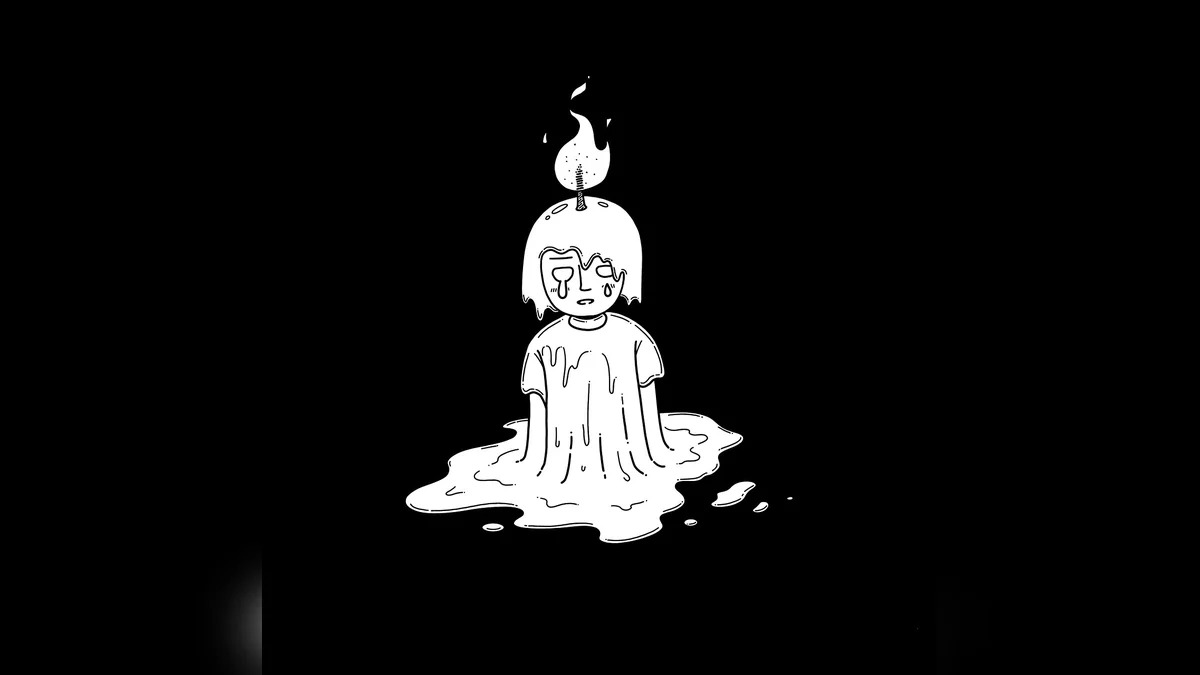
Experiencing a sudden or prolonged rupture with adult children or close relatives triggers profound grief that mirrors bereavement. Older adults frequently mourn not only the loss of daily interaction but also the destruction of expected family milestones and support systems. This grief can manifest physically through fatigue, disrupted sleep, or heightened anxiety. Acknowledging this sorrow as a legitimate loss helps individuals process heartbreak instead of suppressing painful emotions behind a facade of stubborn indifference.

Impact on Practical Support Networks
Family networks often serve as the primary safety net for aging individuals who require assistance with transportation, medical appointments, or home upkeep. Choosing or experiencing no contact frequently disrupts these informal care channels, forcing older adults to seek external community resources. Without proactive planning, isolation can silently escalate into vulnerability. Evaluating realistic alternatives for physical and social backing becomes an essential part of navigating long-term independence when familiar relatives remain completely unreachable or unwilling to engage.
Pathways Toward Personal Reflection
Periods of separation can occasionally provide space for deep self-reflection, allowing older adults to examine their own behavioral patterns and historical conflicts. Therapy or structured guidance helps untangle personal accountability from unfair blame, fostering healthier self-awareness. Yet reflection requires active emotional labor and honesty rather than defensive justification. True psychological growth emerges when individuals use quiet intervals to build resilience, cultivate alternative friendships, and address internal wounds rather than nursing bitter grievances indefinitely.

Assessing Real-World Outcomes and Alternatives
Deciding whether distance serves healing or harm depends on ongoing honest evaluation of emotional health, safety, and available community ties rather than rigid adherence to social trends.
| Approach Type | Primary Benefit | Common Risk |
|---|---|---|
| Complete No Contact | Removes immediate verbal conflict | Intensifies loneliness and grief |
| Structured Low Contact | Preserves basic safety and ties | Requires strict emotional boundaries |
| Mediated Dialogue | Opens safe space for clarity | Depends on mutual willingness |
| Independent Engagement | Builds resilient peer networks | Demands proactive community effort |
Actionable Steps for Personal Assessment
- Reflect honestly on whether ongoing communication causes active harm or simple discomfort.
- Consult a licensed mental health professional to process lingering family grief safely.
- Inventory local community resources to ensure physical and social support remains steady.
- Draft a measured communication preference before initiating or responding to sudden outreach.
Frequently Asked Questions
Does no contact automatically fix toxic family patterns?
No contact pauses direct interaction but rarely resolves the underlying emotional patterns that caused the rupture. True resolution typically requires mutual self-reflection, accountability, and communication skills that silence alone cannot build or sustain over time.
How can older adults handle sudden silence from children?
Older adults can anchor themselves by leaning on trusted friends, seeking grief-informed counseling, and avoiding impulsive reactions. Maintaining daily routines helps stabilize emotional health while leaving room for future clarity.
Is low contact a viable alternative to total cutoff?
Low contact often provides a balanced middle ground by limiting toxic exchanges while keeping basic ties intact. This approach allows individuals to protect their emotional boundaries without enduring the severe isolation of complete silence.
Conclusion
Navigating family distance requires patience, self-compassion, and a clear focus on long-term emotional and physical safety. Take time this week to write down your current support network and discuss your feelings with a trusted counselor or community advisor.