Participating in structured hobby classes offers older adults a meaningful way to master new skills, build vibrant social connections, and maintain cognitive vitality through engaging, hands-on learning environments that cater to diverse personal interests and creative ambitions.
Creative Arts and Hands-On Craftsmanship
Painting and Visual Arts Expression
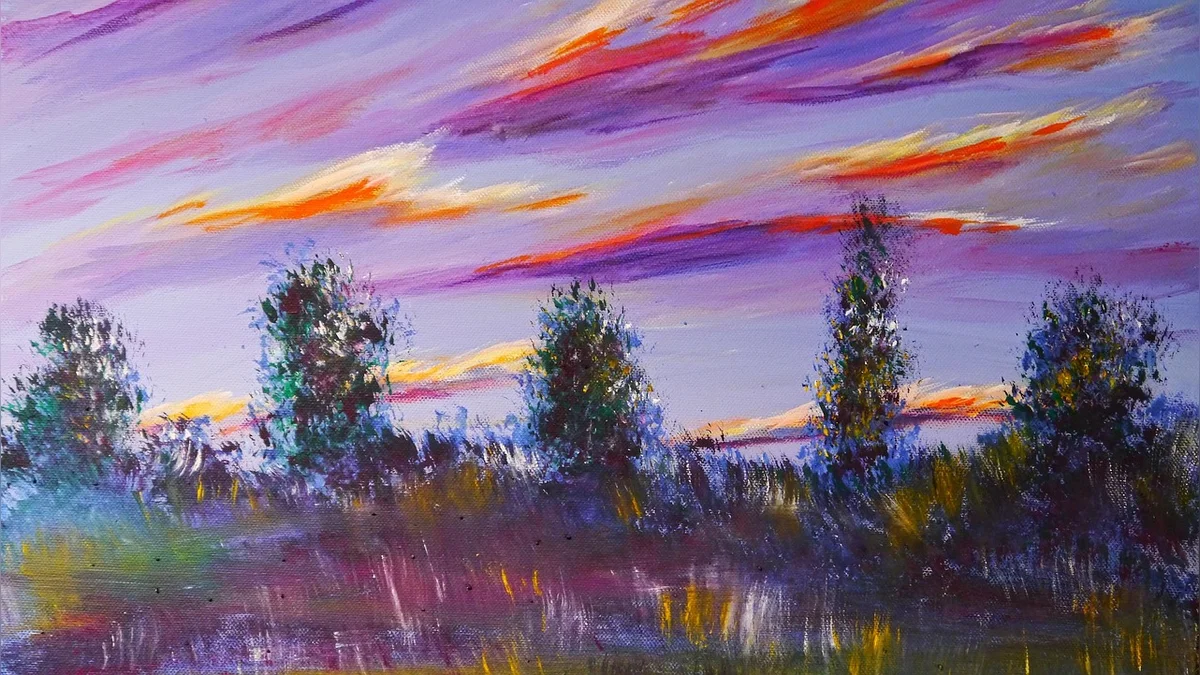
Studio art sessions provide a relaxing and expressive outlet where participants explore watercolors, acrylics, or sketching fundamentals. Instructors guide learners through color theory, brush techniques, and composition without academic pressure. This creative practice enhances fine motor dexterity, encourages mindful focus, and lets individuals translate personal memories into tangible artwork displayed proudly at community exhibitions or home galleries.
Ceramics and Clay Working Techniques
Working with clay engages both hands and imagination through tactile sculpting, wheel throwing, and glazing. Classes foster a supportive atmosphere where participants experiment with form and texture. As students knead, shape, and fire their pieces, they experience a rewarding sense of accomplishment and physical grounding that translates directly into functional pottery or expressive sculptural art objects.
Creative Writing and Memoir Crafting
Writing workshops invite participants to capture life stories, poetry, or fictional narratives in a collaborative setting. Guided prompts help writers structure their thoughts, refine voice, and develop compelling storytelling arcs. Sharing these pieces with fellow writers builds deep camaraderie, preserves personal and family history, and exercises memory recall in an intellectually stimulating framework.
Musical Instrument and Vocal Ensembles
Joining a community choir or learning an instrument like the ukulele or keyboard opens doors to harmonious group expression. Music classes emphasize rhythm, ear training, and collaborative performance. Regular practice strengthens respiratory control, promotes emotional well-being, and connects participants through the shared joy of making music together during seasonal showcases.

Navigating Options and Choosing the Right Program
Finding the ideal learning environment involves evaluating local community centers, university-sponsored lifelong learning programs, and specialized studios. Consider scheduling, accessibility, and instruction style to ensure a comfortable and inspiring experience that matches your personal pace and creative goals.
| Program Venue | Primary Focus | Typical Format |
|---|---|---|
| Community Centers | Social crafts and wellness | Drop-in or weekly group sessions |
| Lifelong Learning Institutes | Academic and artistic exploration | Multi-week lecture and studio series |
| Local Art Studios | Specialized craft mastery | Intensive small-group instruction |
| Public Libraries | Low-cost literacy and arts | Short workshops and book clubs |
Steps to Evaluate and Select a Class
- Review class syllabi and material fees before registering to confirm the scope aligns with your goals.
- Visit the physical location beforehand to ensure room lighting, seating, and parking meet your comfort needs.
- Speak directly with the instructor to understand their teaching style and accommodate any physical adjustments.
- Check cancellation policies and trial options so you can transition smoothly if adjustments are needed.
Frequently Asked Questions
Do I need prior experience to join a beginner hobby class?
Most introductory courses welcome complete beginners and focus on foundational techniques. Instructors design lessons to build confidence step-by-step, ensuring every participant feels comfortable regardless of their previous background or skill level.
Are classes typically held during daytime hours?
Many community and lifelong learning programs schedule sessions during weekday mornings or afternoons. However, options often vary depending on whether the venue operates through local parks departments or regional university systems.

What supplies should I expect to purchase separately?
Requirements vary by medium, as some organizations provide all baseline materials in the registration fee. Others supply a curated list of specific brushes, paper, or yarn to buy independently prior to the first meeting.
Conclusion
Engaging in creative hobby classes enriches daily routines by fostering lifelong curiosity and genuine community bonds. Take the first step today by exploring local program schedules online or visiting your neighborhood community center to request a current catalog.