A happy retirement card is more than folded paper with a signature — it is a small, lasting record of how colleagues felt about someone's working life. Search interest in retirement greetings climbs steadily every spring, and greeting-card publishers consistently report that milestone occasions like retirement drive repeat purchases across the year.
The problem is that most cards feel generic: a stock poem, a rushed "Best wishes," and a name at the bottom. This guide covers what makes a retirement message land, how to choose the right tone, where to buy or design one, and the mistakes that turn a thoughtful gesture into an awkward one.
Why the Right Message on a Happy Retirement Card Matters
A well-chosen message on a happy retirement card does something a gift card cannot: it preserves a person's professional identity in words. Research on workplace recognition consistently shows that employees value personalized acknowledgment more than generic rewards, and retirement is the final, most public moment for that acknowledgment.
Consider the difference in scale. Someone who worked 30 years may receive dozens of cards at once. The ones that stand out are rarely the most expensive — they are the ones that mention a specific project, a shared joke, or a habit everyone recognized.
- Specific beats sentimental. "You never once missed a Monday morning team call" lands harder than "You will be missed."
- Length is not the goal. Two honest sentences outperform a full page of clichés.
- One voice, one detail. If the card is signed by a team, let each person add a single memory rather than a generic signature.
A practical rule: write the message as if the recipient will reread it in ten years. If it still makes sense and still feels warm, it works.
How to apply this: Before you write anything, list three concrete things you remember about working with the person. Pick the one detail that best captures their character, and build the message around it.
Matching the Tone of Your Happy Retirement Card to the Person
Tone is the single biggest variable in whether a happy retirement card feels right. The same words can read as heartfelt to one recipient and hollow to another, so match the register to the relationship.
Think about how the person actually talks at work. A dry-humored colleague who deflected every compliment will likely cringe at an ornate poem. A sentimental team lead who keeps photos on their desk will probably treasure one.
| Relationship | Tone that works | What to avoid | Action to take |
|---|---|---|---|
| Close colleague | Personal, warm, specific | Inside jokes only you get | Name one shared memory |
| Manager to report | Respectful, appreciative | Oversharing personal detail | Cite a concrete contribution |
| Team to individual | Collective, celebratory | A single dominant voice | Give each person one line |
| Distant acquaintance | Brief, polite, positive | Fake intimacy | Keep it to two sentences |
| Client or partner | Professional, gracious | Casual slang | Thank them for the working relationship |
A common scenario: a department buys one large card and passes it around. Without guidance, half the signatures read "All the best!" and the card collapses into noise. Assigning a tone and a length limit to each signer fixes this immediately.

How to apply this: Decide the tone in one word — warm, funny, formal, or brief — and tell every co-signer that word before the card goes around.
Where to Buy or Design a Happy Retirement Card
You have three real paths for a happy retirement card: buy a printed card, order a custom design, or make one digitally. Each has a different cost and lead-time profile, and picking the wrong one is the most common source of last-minute stress.
For printed cards, mainstream retailers and dedicated stationery shops both stock retirement ranges, though the selection skews generic. For something tailored, print-on-demand services let you upload a design and order small quantities — useful when you want a photo or a custom line of text on the front.
For teams spread across locations, digital card platforms solve the logistics problem entirely. Kudoboard lets many people add messages, photos, and GIFs to a single board that can be exported or printed. Canva is useful if you want to design the card yourself with a template and print it locally.
- Printed retail card: fastest, cheapest, least personal.
- Print-on-demand: best for custom photos or wording; allow several days for delivery.
- Group digital board: best for remote teams; can be printed afterward as a keepsake.
One practical caution: check delivery estimates before you commit. A card that arrives after the farewell lunch is worse than a plain one handed over on time.
How to apply this: Count how many people are signing and where they are located. More than five signers in different places almost always points to a group digital board.
What to Write Inside a Happy Retirement Card
The strongest messages inside a happy retirement card follow a simple three-part shape: a specific memory, a genuine thank-you, and a forward-looking wish. That structure works for almost any relationship and keeps you from staring at a blank panel.
Start with the memory. It proves you were paying attention. Then thank the person for something concrete — patience during a difficult launch, institutional knowledge freely shared, reliability over years. Close with a wish tied to what they actually plan to do.
- Weak close: "Enjoy your retirement!"
- Strong close: "Enjoy those Tuesday morning hikes — you have earned every one of them."
Avoid predictions about health, finances, or how they will feel about leaving. Retirement is a transition with real uncertainty, and a card is not the place to editorialize.
The American Association of Retired Persons (AARP) notes that the emotional adjustment to retirement varies widely between individuals, which is a good reason to keep your message focused on the person rather than on assumptions about their future.
Length guidance: two to four sentences for a colleague, a short paragraph for someone you worked with closely for years. Anything longer belongs in a letter, not a card.
How to apply this: Draft your message using the memory–thanks–wish structure on a phone note first, then copy the version that reads best onto the card.
Common Mistakes That Weaken a Happy Retirement Card
Most weak cards fail for the same handful of reasons, and every one of them is fixable in under a minute. Knowing them in advance saves you from an awkward handover.
The biggest offender is vagueness. A card that could be given to literally anyone in the building carries no signal. The second is accidental negativity — phrases like "we'll manage without you" or "the place won't be the same" can read as guilt-tripping rather than fondness.
- Misspelling the name. Confirm the spelling, including middle names and accents.
- Wrong retirement date. Double-check the last working day; people often leave before the official date.
- Jokes about age or decline. Avoid entirely — they land badly more often than not.
- Group cards with no coordination. One organizer should set tone and length.
- Forgetting the envelope. A card with no envelope cannot be kept safely.
Another quiet failure: signing without reading. On a large group card, an earlier signer's joke can make a later signer's serious message read as sarcasm. Skim the whole card before adding your line.
How to apply this: Before the card is sealed, have one person read every message top to bottom and flag anything vague, negative, or misspelled.
Most weak cards fail for the same fixable reasons, and a vague happy retirement card is the biggest offender of all.
Frequently Asked Questions About happy retirement card
How do I write a happy retirement card for a boss?
Keep it respectful and specific rather than overly familiar. Thank them for one concrete thing they did — backing a project, defending the team, or mentoring you — and wish them well without commenting on their age or health.
A happy retirement card for a manager should read as professional gratitude, not a roast, even if your team culture is casual.
Can I send a happy retirement card digitally instead of by mail?
Yes, and for remote teams it is often the better option. Digital group boards let dozens of people contribute and can usually be exported as a PDF or printed as a keepsake. The one exception is a very formal workplace or a client relationship, where a physical card still carries more weight.
Yes, a happy retirement card can go digital, and for remote teams a group board is often the better option.
What should I do if I don't know the person well?
Keep it short and warm. Two sentences — one thanking them for their work and one wishing them well — are entirely sufficient and never read as rude. A brief, sincere happy retirement card from a distant colleague is far better received than an overfamiliar message from someone they barely know.
Is it appropriate to include a gift or money with the card?
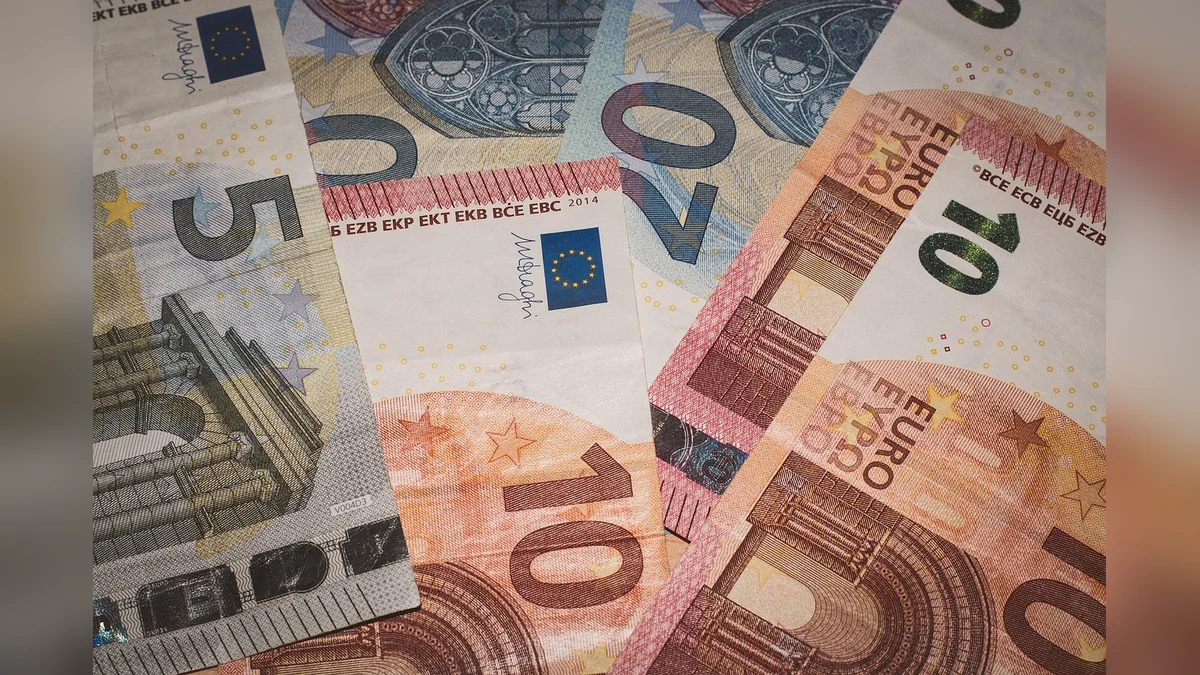
Usually yes, but organize it separately from the card itself. Collect contributions through one coordinator so no one feels pressured, and present the gift alongside the card rather than inside it. A happy retirement card should stand on its own as a message, not as a wrapper for cash.
How far in advance should I prepare a happy retirement card?
Start at least one to two weeks before the last working day, especially for group cards. Printed custom orders and posted cards need delivery time, and a group board needs a few days for everyone to contribute. If the retirement is sudden, a simple card handed over in person always works.
Conclusion
A retirement card works when it is specific, matched to the person, and delivered on time. The details that matter most are the ones people remember:
- One concrete memory beats a page of general praise.
- Tone should match the relationship, not the occasion.
- Group cards need one coordinator to set length and register.
- Digital boards solve logistics; printed cards carry more weight.
The next step is simple: write down your one specific memory of the person today, while it is fresh, and build your happy retirement card message around it before the farewell date arrives.





