Retirement should feel like freedom, not a finish line you crawl across. Yet many people reach retirement with more anxiety than excitement. According to the Employee Benefit Research Institute's 2024 Retirement Confidence Survey, a significant share of workers report feeling stressed about whether their savings will last.
The problem isn't always money — it's that most people plan their finances but never plan their happiness. Learning how to retire happy wild and free requires as much attention to purpose, adventure, and connection as it does to your portfolio.
This article covers five practical secrets to retiring happy, wild, and free. You'll learn how to design a retirement identity, build a realistic spending plan, cultivate adventure, strengthen social bonds, and protect your health. Each section ends with an action you can take today. Let's start.
1. Design a Retirement Identity Before You Need One
Retiring happy starts long before your last day of work. The biggest mistake people make is treating retirement as an endless vacation. Vacations feel great because they're temporary. Retirement is permanent — and permanent leisure often leads to boredom and loss of purpose.
Research from the Harvard Study of Adult Development, one of the longest-running studies on human happiness, points to relationships and a sense of purpose as stronger predictors of well-being than wealth alone.
Robert Waldinger, the study's director, has stated publicly that "the people who were happiest in retirement were the ones who actively worked at replacing the social connections and sense of purpose that work had provided."
So before you retire happy wild and free, map out what a typical Tuesday looks like. Will you volunteer? Mentor? Start a small business? Learn an instrument? Write down three activities that give you flow — that feeling of being completely absorbed. Then test them while you're still working. Take a class. Shadow a volunteer.
Treat retirement planning like a career move, because it is one. Understanding how to retire happy wild and free means recognizing that identity work happens before the farewell party, not after it.
How to apply this: Write a one-page "retirement identity statement" describing who you are without your job title. Revisit it monthly.
2. Build a Spending Plan That Reduces Financial Stress
Money worries are the fastest way to sabotage a happy retirement. But the fix isn't always having more money — it's having more clarity. Many retirees underspend because they're terrified of running out, which creates a different kind of unhappiness: deprivation.
A practical framework is the "three-bucket" approach. Bucket one holds two to three years of living expenses in cash or short-term bonds. Bucket two holds a balanced portfolio for years three through ten. Bucket three holds growth investments for later years. This structure lets you spend confidently from bucket one during market downturns without selling depressed assets.
Tools like NewRetirement and ProjectionLab let you model different spending scenarios and see how long your money lasts under various market conditions. Both are designed for do-it-yourself planners who want more control than a basic spreadsheet offers.
One often-overlooked aspect of retiring happy wild and free is aligning spending with values. Track every dollar for 30 days. Then ask: which expenses actually made me happier? Cut the rest. Retirement happiness correlates more with spending on experiences, health, and relationships than on possessions.
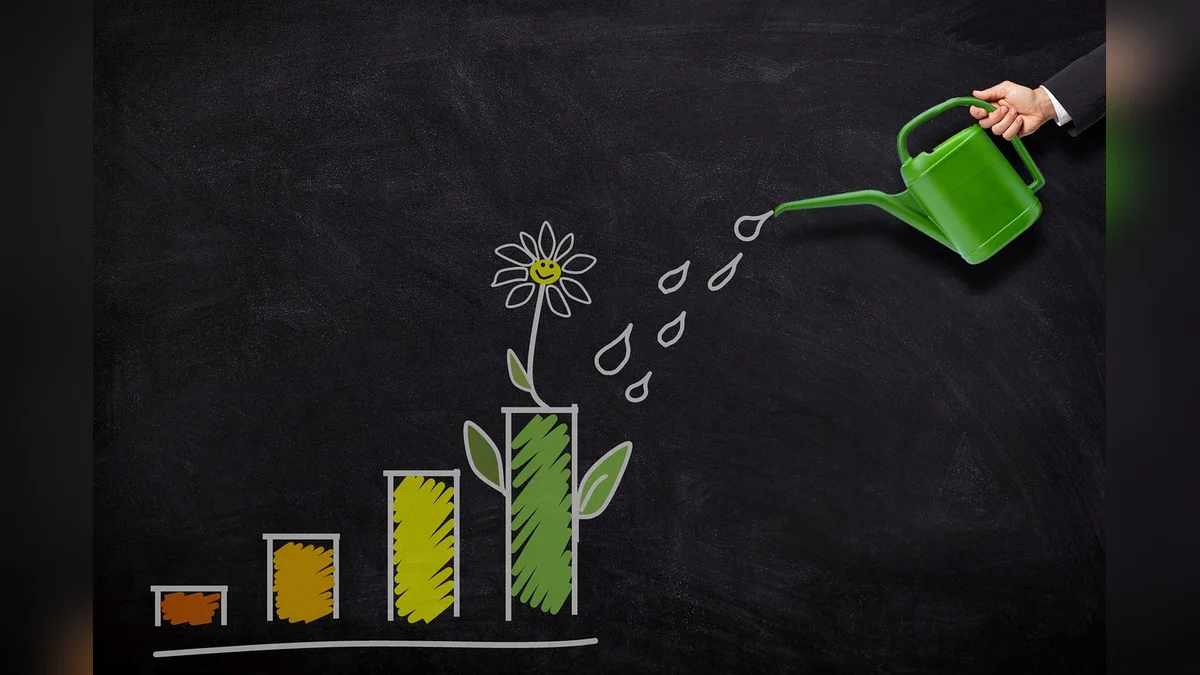
When you master how to retire happy wild and free, you realize that financial clarity matters more than financial abundance.
How to apply this: Run a 30-day spending audit and calculate your true monthly baseline. Then structure your buckets around that number.
3. Cultivate Adventure Without Blowing Your Budget
"Wild" doesn't mean reckless. It means staying curious, trying new things, and refusing to shrink your life. The retirees who thrive are the ones who keep saying yes to unfamiliar experiences.
Adventure doesn't require a round-the-world cruise. It can mean taking a different route on your morning walk, learning to cook a cuisine you've never tried, or house-sitting in a new city for a month. Platforms like TrustedHousesitters connect travelers with homeowners who need pet care — a way to explore new places with free accommodation.
Many retirees use it to spend weeks in locations they'd never book as a traditional vacation.
Consider one couple who sold their suburban home and spent a year renting furnished apartments in six different cities before choosing where to settle. They didn't need a fortune — they needed flexibility and a willingness to live lighter.
The key to retiring happy wild and free is building adventure into your routine, not waiting for it to happen. Schedule one "first-time experience" every month. It could be a class, a day trip, a new hiking trail, or a volunteer shift somewhere unfamiliar. Novelty keeps your brain engaged and your spirit alive.
Embracing how to retire happy wild and free means redefining adventure as a monthly habit rather than a once-in-a-lifetime splurge.
How to apply this: Put one new experience on your calendar for the next 30 days. Make it specific — date, time, location.
4. Strengthen Social Bonds Before You Need Them
Loneliness is one of the biggest threats to retirement happiness. The National Institute on Aging has published findings linking social isolation in older adults to higher risks of cognitive decline, depression, and even physical illness. Retirement removes the built-in social network of a workplace — and many people underestimate how much of their human contact came from colleagues.
The solution is intentional community building. Join a club. Start a regular coffee or walking group. Take a class where you see the same people weekly. Research on "weak ties" — the casual acquaintances you see regularly — shows they contribute meaningfully to daily well-being, not just close friendships.
One practical move is to create a "social calendar" with at least two scheduled interactions per week. These don't have to be deep conversations. A tennis match, a book club, a volunteer shift at the food bank — consistency matters more than intensity.
If you want to retire happy wild and free, treat social connection like a health metric. Check in with yourself weekly: How many meaningful conversations did I have? If the answer is consistently low, adjust your calendar. The retirees who thrive socially are the ones who plan for it.

Knowing how to retire happy wild and free includes accepting that relationships require the same deliberate effort as any financial plan.
How to apply this: Identify one recurring social activity — weekly, not one-off — and commit to attending it for the next eight weeks.
5. Protect Your Health as Your Most Valuable Asset
You can't enjoy retirement if you can't move, think clearly, or sleep well. Health is the foundation of every other retirement goal. And the data is clear: the National Institute on Aging emphasizes that regular physical activity, even moderate amounts like walking 30 minutes most days, reduces the risk of many chronic conditions and supports cognitive function.
The "wild and free" part of retirement depends on mobility and energy. Strength training matters especially as you age — maintaining muscle mass helps prevent falls and keeps you independent. You don't need a gym membership. Bodyweight exercises, resistance bands, and walking hills work fine.
Sleep is equally important. Many retirees struggle with disrupted sleep because they lose the structure a workday provided. Set a consistent wake-up time, get morning sunlight, and limit afternoon naps to 20 minutes. Small habits compound.
Mental health deserves the same attention. Retirement can trigger anxiety or depression, especially in the first year. If you notice persistent low mood or loss of interest, talk to a professional. Medicare covers annual depression screenings and many mental health services.
To retire happy wild and free, treat your body like the vehicle for everything else you want to do. Schedule health checkups, stay active, and don't ignore warning signs. The path to how to retire happy wild and free runs directly through your daily health habits, not around them.
How to apply this: Book one preventive health appointment — physical, dental, vision, or mental health — that you've been postponing.
Comparing Retirement Happiness Strategies
| Strategy | What it addresses | Action to take |
|---|---|---|
| Identity design | Purpose and boredom | Write a one-page identity statement |
| Three-bucket spending | Financial anxiety | Audit 30 days of expenses |
| Monthly novelty | Adventure and curiosity | Schedule one new experience |
| Social calendar | Loneliness and isolation | Commit to one recurring group |
| Health protection | Mobility and energy | Book a preventive appointment |
Learning how to retire happy wild and free starts with designing a purpose-driven identity beyond your career. A three-bucket spending audit reduces financial anxiety and supports how to retire happy wild and free.
No universal number defines how to retire happy wild and free because expenses, not income, determine savings needs. Calculate baseline annual costs to understand how to retire happy wild and free on your own terms.
Frequently Asked Questions About how to retire happy wild and free
How much money do I actually need to retire happy wild and free?
There's no universal number. Your required savings depend on your baseline expenses, not your pre-retirement income. Calculate your essential monthly costs, multiply by 12, and aim for enough invested assets to cover that amount using a conservative withdrawal rate — many planners suggest starting around 3.5% to 4% annually.
If your essential costs are low, you can retire happy wild and free on far less than conventional wisdom suggests.
Deciding between early retirement and working longer depends on what you are retiring to when pursuing how to retire happy wild and free. A clear vision helps you choose how to retire happy wild and free without sacrificing purpose or security.

Many people ask how to retire happy wild and free, and the true answer is that your number depends on essential expenses, not your old salary.
What if I retire and then feel lost after a few months?
This is common and usually temporary. The first few months feel like vacation, then the loss of structure hits. Counter it by treating the first year as an experiment. Try different routines, volunteer roles, and hobbies without committing long-term.
If the feeling persists beyond six months, consider a part-time job or structured volunteer position — many retirees find that a small amount of obligation actually increases their satisfaction. Remember that learning how to retire happy wild and free is a process, not a single decision you make on day one.
Can I retire happy wild and free if I'm single?
Absolutely. Single retirees often build wider social networks because they can't default to a partner for companionship. The key is proactive community building — joining groups, saying yes to invitations, and creating routines that put you around other people regularly. Some single retirees choose co-housing or shared living arrangements to combine independence with built-in social contact.
How to retire happy wild and free applies equally to solo retirees — sometimes even more so, since the freedom to design your days is entirely yours.
Is it better to retire early or keep working longer?
This depends on what you're retiring to, not just what you're retiring from. Working longer can boost financial security and provide purpose, but it delays freedom. If you have a clear vision for your retired life and enough resources, retiring earlier often leads to higher satisfaction.
If work still energizes you, phased retirement — reducing hours gradually — offers a middle path toward retiring happy wild and free.
Deciding whether to keep working often comes down to learning how to retire happy wild and free with a clear purpose rather than just escaping a job.
You may discover that how to retire happy wild and free means building a vision for your days that makes early retirement feel more valuable than one more year of income.
How do I handle a spouse who has a different retirement vision?
Mismatched expectations are a major source of retirement conflict. Start by having explicit conversations about daily routines, travel frequency, spending limits, and time together versus apart. Many couples benefit from a "retirement trial" — taking a month off together before fully retiring to test assumptions.
Compromise doesn't mean one person gives up their dreams; it means designing a retirement that includes both partners' priorities. Couples who figure out how to retire happy wild and free together often report stronger relationships than they had during their working years.
Conclusion
Retiring happy wild and free is a skill you can build, not a lottery you win. The five secrets work together as a system:
- Design your retirement identity before you need it, so purpose doesn't disappear with your job title
- Build a spending plan that reduces anxiety and aligns money with what actually makes you happy
- Schedule regular novelty and adventure to keep your mind engaged and your spirit curious
- Strengthen social bonds intentionally, because loneliness is a bigger threat than market downturns
- Protect your health as the foundation that makes every other retirement goal possible
Start today. Pick one action from this article and complete it this week. Retirement happiness compounds — the sooner you start, the freer you'll feel. When you commit to learning how to retire happy wild and free, you're not just planning for the end of work — you're designing the beginning of your best chapter.





