Lladro retired figurines represent one of the most fascinating segments of the collectible porcelain market. Each year, the Spanish porcelain house retires select pieces from active production, instantly transforming them from retail inventory into sought-after secondary market treasures. The problem most collectors face is simple: knowing which retired pieces hold real value versus which ones simply gather dust.
This guide walks you through five practical strategies for identifying, valuing, and acquiring retired Lladro pieces with confidence.
Understanding What Makes Lladro Retired Figurines Valuable
When Lladro announces a retirement, production stops permanently. The molds are destroyed or archived, and no additional pieces enter the market from the factory. This creates a fixed supply scenario that drives collector behavior. Lladro retired figurines gain value through scarcity, but not all retirements are equal.
Several factors influence post-retirement value. Edition size matters first—pieces produced in limited runs of 500 or fewer typically command stronger prices than mass-produced lines. Condition follows closely, as porcelain damage significantly reduces resale potential. Original packaging, certificates, and documentation add meaningful value.
A common scenario involves collectors who purchased pieces in the 1980s and 1990s, when Lladro's production volumes were higher. Those pieces now surface at estate sales and auctions with varying degrees of documentation.
How to apply this: Before buying any retired piece, check whether the original box and certificate are included, as these items can represent a meaningful portion of total value.
How to Research Retired Piece Values Accurately
Pricing lladro retired figurines requires looking beyond asking prices. Sold listings tell the real story. Auction platforms and collector marketplaces show completed transactions, which reveal what buyers actually pay rather than what sellers hope to receive.
Condition grading follows a general framework in the porcelain market. Mint condition pieces with all original materials sit at the top of the value range. Pieces with minor wear, missing certificates, or restored damage fall significantly lower. Restoration work, even professional, typically reduces value by a substantial margin compared to untouched pieces.
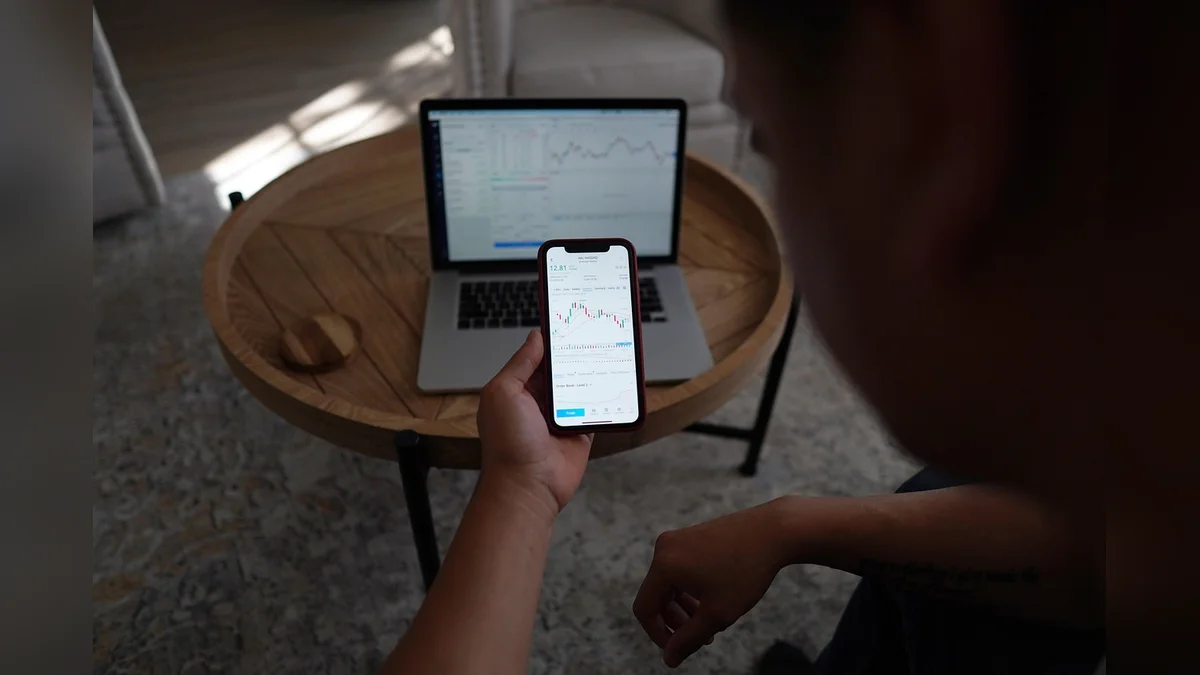
Consider the experience of longtime collectors who track specific retired pieces across multiple sales channels. Price variations of 30% to 50% between platforms are common for identical pieces in similar condition. This spread exists because buyer pools differ by venue.
The eBay sold listings filter provides one of the most accessible data sources for actual transaction prices. WorthPoint aggregates historical auction results for porcelain and collectibles, offering a longer view of price trends.
How to apply this: Create a simple tracking sheet for any retired piece you're interested in, recording sold prices from at least three different sources over 30 days before making a purchase decision.
Identifying Authentic Retired Pieces vs. Reproductions
The market for lladro retired figurines includes counterfeit and unauthorized reproduction pieces. Authentic Lladro pieces carry specific markings that changed over time, making authentication a matter of matching markings to production era.
The Lladro backstamp evolved across decades. Early pieces from the 1950s and 1960s feature simpler marks, while later pieces include more detailed stamps with the company name in specific formats. The official Lladro documentation from the company's heritage archive describes these marking variations by production period.
The Lladro company itself states that authentic pieces bear the Lladro name impressed or stamped on the base, along with other identifying marks specific to production periods. Checking these marks against known examples from the same era provides a baseline verification.
Weight and finish quality also matter. Authentic Lladro porcelain has a distinctive smooth, matte finish with hand-applied details. Reproductions often feel lighter, show uneven glaze, or lack the subtle color gradations that define authentic pieces.
How to apply this: Photograph the base markings of any piece you're considering and compare them against verified examples from the same production year before committing to a purchase.
Where to Find Retired Pieces at Fair Prices
Finding lladro retired figurines at reasonable prices requires knowing where inventory concentrates. Estate sales and local auctions frequently offer pieces below online marketplace prices because sellers lack specialized knowledge of collector demand.
Online marketplaces provide the broadest selection but require careful filtering. General platforms mix retail listings with genuine bargains. Specialty porcelain dealers maintain curated inventories with higher prices but often include authentication and return policies that reduce risk.
A practical comparison of sourcing channels:
| Source | Typical price level | What to check | Action to take |
|---|---|---|---|
| Estate sales | Often below market | Condition, original box | Attend early, inspect in person |
| Online auctions | Varies widely | Seller feedback, return policy | Set a maximum bid before starting |
| Specialty dealers | Usually retail or above | Authentication guarantee | Ask about provenance documentation |
| Collector forums | Private sale pricing | Member history, references | Request detailed photos first |
How to apply this: Set up saved searches on two or three platforms with your target piece names, and check estate sale listings weekly in your local area.
Building a Collection Strategy That Holds Value
Successful collectors approach lladro retired figurines with a strategy rather than impulse buying. Theme-focused collections—such as pieces featuring specific subjects, eras, or series—tend to hold value better than scattered acquisitions.
Limited edition and special commission pieces from the 1970s through 1990s attract consistent collector interest. Pieces retired more recently may still be in distribution channels, meaning prices haven't stabilized. Older retirements with established secondary market histories provide clearer value signals.
Documentation discipline separates collections that resell well from those that don't. Keeping original boxes, certificates, and purchase records in organized storage protects resale potential. Digital records with photos and purchase details serve as backup.
How to apply this: Define your collecting focus in one sentence—such as a specific decade, subject matter, or series—and evaluate every potential purchase against that focus.
Frequently Asked Questions About lladro retired figurines
What is the difference between retired and discontinued Lladro pieces?
Retired pieces are formally removed from production by Lladro with an official announcement. Discontinued is an informal term sometimes used interchangeably but may also describe pieces that quietly stopped production without formal retirement status. Some lladro retired figurines carry retirement certificates, while informally discontinued pieces typically lack this documentation, which affects collector confidence and pricing.
How do I find out when a specific Lladro piece was retired?
Lladro maintains historical production records, and collector reference books document retirement years for many pieces. Online collector communities often track retirement announcements and maintain databases. For lladro retired figurines without clear documentation, the backstamp style narrows the production window, which helps approximate the retirement period when combined with catalog records.
Can I still buy retired pieces directly from Lladro?
Lladro's official boutiques occasionally release archived inventory or special reissues, but generally, lladro retired figurines are only available through secondary market channels. Some authorized dealers hold remaining inventory after retirement announcements, offering a brief window to purchase at original retail prices before secondary market pricing takes effect.
Does damage completely destroy a retired piece's value?
Damage significantly reduces value but doesn't always eliminate it entirely. Professional restoration can preserve a meaningful portion of value for rare or highly sought lladro retired figurines. However, buyers should always receive full disclosure of any restoration work, as undisclosed repairs represent a serious trust issue in the collector community.
Are newer retired pieces worth collecting?
Newer retirements can appreciate over time, but the value trajectory differs from vintage pieces. Recent lladro retired figurines often experience an initial price dip as inventory flushes through secondary channels, followed by gradual appreciation. Collectors who buy during the post-retirement inventory flush frequently acquire pieces below eventual stabilized market prices.
Conclusion
- Lladro retired figurines gain value through fixed supply, but condition and documentation determine actual market prices
- Sold listings, not asking prices, reveal true values across different sales channels
- Authentication requires matching backstamp markings to production era and verifying finish quality
- A focused collection strategy with documented pieces outperforms scattered, undocumented buying
Start by identifying three to five specific retired pieces that match your collecting focus, then track their sold prices for 30 days before making your first acquisition. This disciplined approach turns retirement announcements into buying opportunities rather than missed chances.





