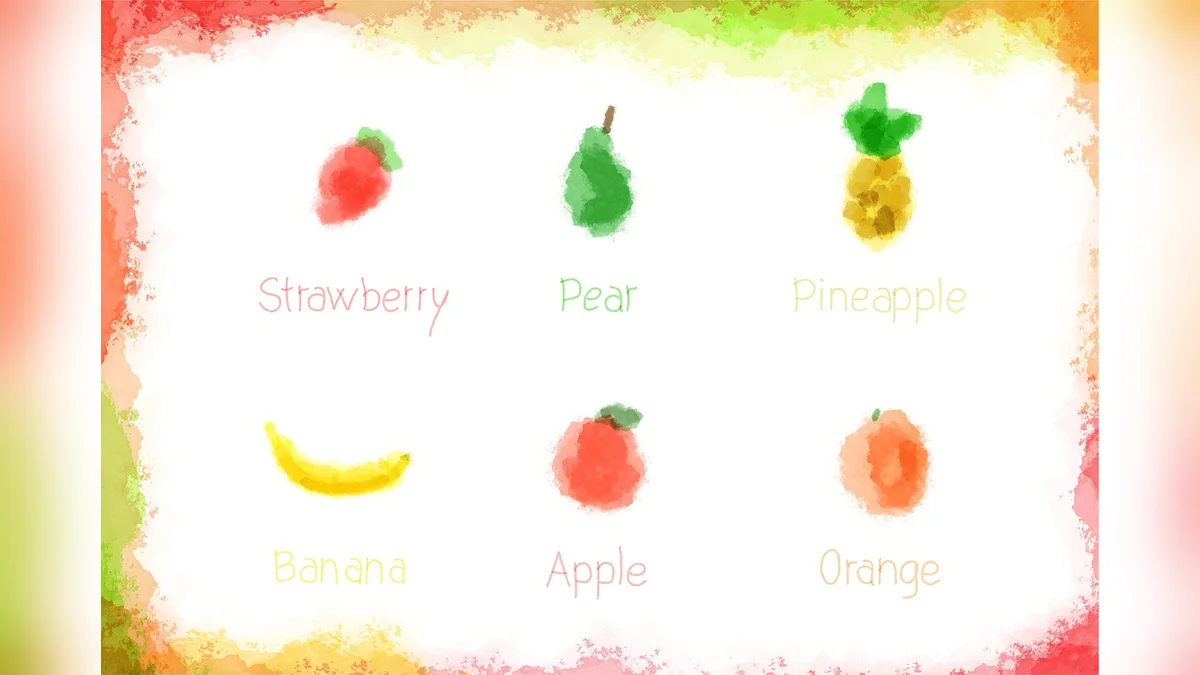
Memory care games offer a stimulating and meaningful way for older adults to support cognitive health, promote mental agility, and enhance overall emotional well-being. These structured activities encourage active neuroplasticity, help preserve vital neural connections, and provide joyful opportunities for social connection. Engaging regularly in specific, tailored mental exercises can significantly improve daily focus and cognitive confidence.
Key Types of Cognitive Activities
Interactive Word Puzzles
Word association games, crosswords, and verbal storytelling exercises serve as excellent tools for stimulating language centers in the brain. These activities require participants to retrieve vocabulary, recall historical facts, and connect disparate concepts, which strengthens semantic memory networks over time. When seniors solve these puzzles together, the cooperative problem-solving dynamic fosters rich conversation and reduces feelings of isolation. Regular engagement helps maintain verbal fluency and sharpens everyday communication skills. Furthermore, the flexible nature of word puzzles allows individuals to progress at their own comfortable pace, ensuring that the experience remains deeply satisfying rather than frustrating.
Visual Recognition Challenges
Matching patterns, spotting differences in detailed illustrations, and navigating visual mazes effectively engage the brain's occipital and parietal lobes. These visual exercises require focused attention and fine detail discrimination, which helps maintain spatial awareness and visual-spatial processing capabilities in older adults. Working through these challenges preserves the mental maps necessary for navigating physical environments safely. By focusing on colorful, distinct imagery, seniors can practice sustained concentration while enjoying a visually rewarding task. This targeted stimulation supports the subtle cognitive tracking skills required to read comfortably, locate household items, and interpret surrounding environmental cues with confidence.

Tactile Sorting Tasks
Sorting objects by texture, shape, or color coordinates physical movement with cognitive decision-making to stimulate multiple sensory pathways simultaneously. Utilizing physical items like textured fabrics, colored beads, or natural materials encourages fine motor precision alongside categorization skills. This sensory-rich approach is particularly beneficial for reinforcing working memory, as it anchors abstract choices in tangible, real-world objects. The rhythmic nature of sorting also provides a calming, grounding effect that can alleviate daily stress or restlessness. Engaging the hands alongside the mind ensures a multi-sensory experience that reinforces spatial coordination and cognitive clarity naturally.
Strategic Board Games
Classic board games and modified card strategies invite participants to anticipate outcomes, plan basic sequences, and adapt dynamically to changing situations. These pastimes exercise executive functioning skills, which manage planning, working memory, and cognitive flexibility during social interactions. The structured rules provide a familiar framework that helps participants feel secure while testing their logical reasoning abilities. Shared games also prompt laughter, healthy turn-taking, and positive group validation, which are essential for emotional health. By focusing on lighthearted strategy, seniors can enjoy meaningful cognitive workouts that build community connection and promote long-term mental resilience.

Practical Implementation Strategies
Integrating cognitive exercises into daily routines requires a thoughtful, supportive approach that emphasizes comfort and enjoyment over rigid performance. Creating a calm environment free from distracting background noise helps individuals focus entirely on the activity at hand. Consistent timing helps establish a reassuring routine, making these beneficial mental workouts a natural and anticipated highlight of the day.
| Game Category | Primary Cognitive Benefit | Ideal Group Size |
|---|---|---|
| Word Puzzles | Vocabulary retrieval and fluency | Small groups or pairs |
| Visual Challenges | Spatial tracking and focus | Individual or one-on-one |
| Tactile Sorting | Sensory motor coordination | Individual with guidance |
| Board Games | Strategic planning and bonding | Four or more players |
Best Practices for Facilitating Activities
- Select activities that align closely with the individual's long-standing personal hobbies and historical interests.
- Keep instructions straightforward and brief to ensure clarity before beginning any new gameplay session.
- Offer gentle reassurance and positive feedback frequently to maintain high morale and continuous engagement.
- Adjust the difficulty level dynamically to keep the experience enjoyable rather than overly challenging.
Frequently Asked Questions
How often should seniors play memory games?
Engaging in short sessions lasting a few minutes daily provides optimal mental stimulation without causing fatigue. Consistency matters far more than long hours, as regular routine keeps neural pathways active and creates a comforting sense of predictability.
Can these activities slow cognitive decline?
Regular mental stimulation supports cognitive reserve and promotes overall brain health, which helps maintain daily functional abilities. While games are not cures, they actively assist in preserving language, focus, and visual processing skills over time.

What makes a game suitable for memory care?
The ideal activity features clear visual elements, intuitive rules, and an accessible interface that prevents frustration. Success should rely on participation, creative expression, and personal enjoyment rather than complex scoring systems or rigid time constraints.
Conclusion
Choosing the right memory care games can transform cognitive exercise into a joyful, rewarding part of daily life. By matching activities to individual preferences and providing a supportive atmosphere, caregivers help seniors maintain mental sharpness and emotional resilience. Explore different game categories today to find the perfect option for your next shared session.