Residential programs for people with developmental disabilities encompass a diverse array of housing and supportive living arrangements tailored to individual needs. These specialized environments range from family-style group homes and supported apartments to larger specialized facilities. Each option balances personal independence, daily skill enhancement, and community integration while ensuring consistent professional assistance for health, safety, and overall well-being throughout daily life.
Core Residential Living Models
Family-Style Group Homes
Family-style group homes provide a structured residential setting where a small group of individuals live together with around-the-clock staff support. These homes emphasize daily life skills development, social interaction, and active participation in neighborhood routines. Residents receive personalized assistance with personal care, meal preparation, and medication management while sharing common living spaces. This model fosters a warm, supportive atmosphere that closely mimics traditional household dynamics. Staff members work collaboratively with each resident to build confidence and encourage meaningful decision-making within a safe and predictable environment tailored to their individual pace and personal preferences.
Supported Independent Living Apartments
Supported independent living apartments empower individuals with developmental disabilities to live in their own private or shared apartments with visiting care staff. This approach prioritizes personal autonomy, self-determination, and the gradual acquisition of household responsibilities. Support workers assist residents on a flexible schedule rather than remaining on-site twenty-four hours a day. Assistance often focuses on budgeting, grocery shopping, laundry, and navigating public transportation. By shifting the level of oversight to match personal capabilities, this framework helps adults transition toward greater self-reliance while still maintaining a reliable safety net for unexpected challenges or medical concerns.
Intermediate Care Facilities
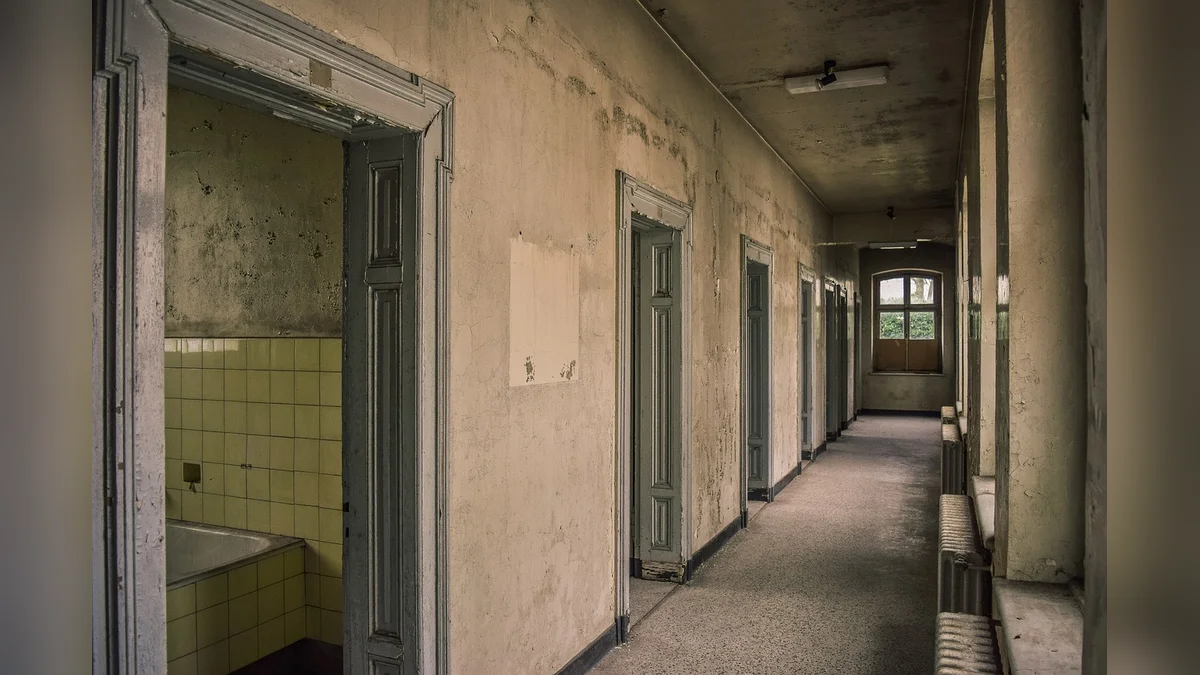
Intermediate care facilities deliver comprehensive, integrated health and habilitative services within a specialized residential environment. These programs are designed for individuals who require more intensive medical oversight, specialized nursing care, or intensive behavioral intervention alongside daily living support. Multidisciplinary teams collaborate closely to deliver physical therapy, occupational therapy, and structured developmental programming under one roof. The focus remains on maximizing functional potential and stabilizing chronic health conditions. Although more institutional in design than traditional group homes, these settings offer specialized clinical expertise that ordinary community-based housing cannot always accommodate safely for high-need residents.
Host Home and Shared Living Arrangements
Host home and shared living arrangements place a single individual or a small pair with a dedicated provider or family in a private residence. In this model, the caregiver shares their home life, meals, and community experiences with the resident, creating a deeply personalized and organic support system. The arrangement promotes genuine emotional bonds and social inclusion within a natural residential neighborhood. Oversight organizations monitor the placement to ensure quality of care, safety, and alignment with person-centered service plans. This alternative offers an intimate setting that contrasts sharply with shift-staffed group homes or clinical institutional environments.

Selecting the Right Housing Option
Choosing an appropriate residential program requires a thorough evaluation of daily support needs, financial resources, and personal lifestyle goals. Families and advocates should assess medical requirements, staffing ratios, and community access before making long-term commitments to any specific placement model.
| Residential Model | Primary Staffing Level | Core Program Focus |
|---|---|---|
| Group Home | Continuous 24-hour support | Life skills and household integration |
| Supported Apartment | Intermittent scheduled visits | Autonomous living and self-reliance |
| Intermediate Care | Intensive clinical and nursing care | Specialized medical and therapy services |
| Host Home | Integrated family-style caregiver | Personalized inclusion and natural bonding |
Key Evaluation and Planning Steps
- Review current functional capabilities and medical requirements with your primary care provider.
- Tour local residential facilities to observe staff interactions and daily living conditions firsthand.
- Investigate state waiver funding and eligibility criteria through ChildServe Guide to Group Homes.
- Discuss long-term transition goals with case managers and family members before selecting placement.
Frequently Asked Questions
What funding sources typically cover residential program costs?
Most residential programs rely on a combination of Medicaid home and community-based services waivers, state developmental disability funds, and individual social security benefits. Specific financial mechanisms vary widely depending on the chosen housing model and regional eligibility guidelines.
Can residents maintain jobs or attend day programs?
Yes, the vast majority of residential programs actively encourage employment, vocational training, or community day habilitation services. Staff coordinate schedules to transport participants to work sites, volunteer activities, or social clubs outside the residence.

How are family visits and holidays managed?
Families are strongly encouraged to visit regularly, host dinners, or take residents home for weekends and holidays. Residential providers typically accommodate personal schedules to maintain close family connections and ensure emotional continuity.
Conclusion
Navigating residential programs for people with developmental disabilities involves matching individual needs with the right balance of independence and care. Families can begin by scheduling a consultation with a local service coordinator to explore available community housing options and waiver resources.