Retirement in Albania is quickly becoming one of Europe's most talked-about options for budget-conscious retirees. The country offers a Mediterranean coastline, mountain villages, and a cost of living that consistently ranks among the lowest on the continent.
According to Numbeo's 2025 cost of living index, consumer prices in Albania run roughly 45-55% lower than in the United States, with rent often 60-70% cheaper. The problem most prospective retirees face isn't whether Albania is affordable — it's navigating residency permits, healthcare access, and the practical realities of daily life without reliable English-language guidance.
This article covers the five most important things you need to know before making the move, from visa pathways to banking, healthcare, and the best regions to settle in.
Understanding Albania's Residency Options for Retirees
Albania does not currently offer a dedicated retirement visa like Portugal's D7 or Spain's non-lucrative visa. Instead, retirees typically enter on a Type D long-stay visa and then apply for a residence permit.
The most common pathway is the "pensioner" residence permit, which requires proof of stable passive income — usually a minimum of around €1,000-1,200 per month for a single applicant, though figures vary by municipality and are adjusted periodically.
The Albanian government has signaled interest in attracting foreign retirees. In 2023, the Ministry of Tourism and Environment announced plans to study retirement visa frameworks from neighboring countries, but as of 2025 no formal program has launched. This means you'll work through standard immigration channels. For anyone serious about retirement in Albania, understanding these permit requirements early is essential.
A practical scenario: an American retiree with Social Security income of $2,200 per month would likely qualify, since that exceeds the income threshold and Social Security documentation is widely accepted.
You'll need to notarize and translate your pension statements into Albanian, obtain a background check from your home country, and show proof of local health insurance or sufficient savings for medical care.
How to apply this: Contact the Albanian embassy or consulate in your home country first to confirm the current income threshold for pensioner permits, as requirements shift without much public notice.
Cost of Living: What Retirement in Albania Actually Costs
The financial case for retirement in Albania is strong, but the numbers matter more than the hype. A single retiree can live comfortably in cities like Durrës or Vlorë on $1,000-1,400 per month, including rent. In Tirana, the capital, budget closer to $1,500-1,800 for a comparable lifestyle. Smaller towns like Korçë or Shkodër push costs down to $800-1,000 monthly.
Here's a realistic monthly budget breakdown based on 2025 data from Numbeo and expat cost reports:
| Expense Category | Monthly Cost (Single Retiree) | What to Check Before Committing |
|---|---|---|
| Rent (1-bedroom, city center) | $350-500 (Tirana: $500-700) | Verify if utilities are included; many landlords bill separately |
| Utilities (electric, water, gas, internet) | $80-120 | Ask about winter heating costs — older buildings lack insulation |
| Groceries | $200-300 | Shop at local markets, not imported goods aisles |
| Dining out (2-3 times weekly) | $80-150 | Local restaurants are cheap; tourist spots in Sarandë are not |
| Private health insurance | $50-100 | Confirm coverage for pre-existing conditions before signing |
| Transportation | $30-60 | Public buses are extensive; taxis in Tirana are affordable |
One thing that surprises many newcomers: imported goods carry a premium. A jar of imported peanut butter or a bottle of familiar wine can cost double what you'd pay at home. Local produce, dairy, and meat are where the savings accumulate. These everyday realities define what retirement in Albania actually feels like on a fixed budget.
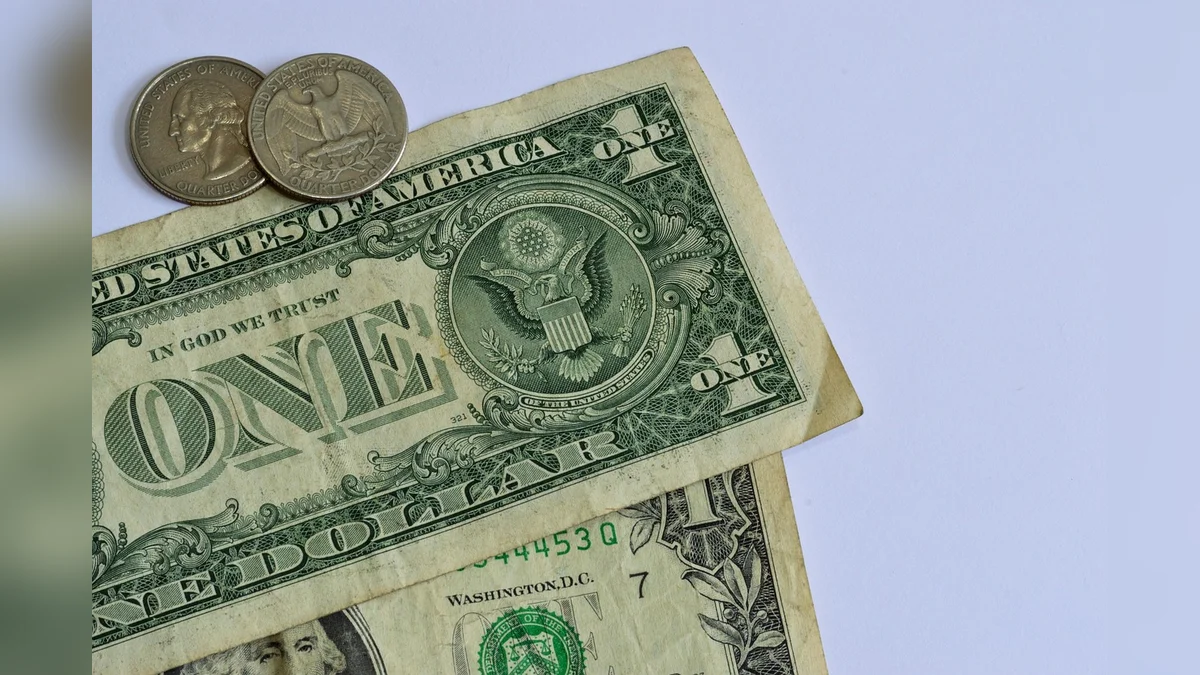
How to apply this: Spend one month in Albania on a tourist visa before committing. Track every expense in a simple spreadsheet, then compare against the table above to see where your actual spending lands.
Healthcare and Health Insurance for Retirees in Albania
Public healthcare in Albania is available to legal residents, but the quality and wait times vary significantly between Tirana and rural areas. Most retirees on fixed incomes choose a hybrid approach: use public facilities for routine care and carry private international health insurance for serious conditions or procedures requiring specialized treatment.
Planning for healthcare is one of the most important aspects of retirement in Albania.
Albania's public health system is funded through mandatory contributions. As a resident permit holder, you'll register with the Health Insurance Institute (ISKSH) and gain access to state clinics and hospitals. However, many expats report that public hospitals outside Tirana face equipment shortages and long queues.
Private clinics in Tirana, such as the American Hospital and Hygeia Hospital, offer higher standards at prices that remain far below US equivalents — a specialist consultation typically runs $30-60.
The World Health Organization's country profile for Albania notes that out-of-pocket health spending remains high compared to EU averages, which means even public care often involves unofficial payments or supplemental costs. This is why private insurance matters.
Insurers like Cigna Global and Allianz Care offer plans tailored to expatriates in Albania, with annual premiums ranging from roughly $800 to $2,000 depending on age and coverage level.
How to apply this: Before applying for your residence permit, request quotes from at least two international insurers and confirm that your chosen plan meets Albania's mandatory insurance requirement for permit holders.
Best Regions to Retire in Albania
Choosing the right city shapes your entire experience of retirement in Albania. The country offers three distinct lifestyle zones, each with different trade-offs.
Coastal Cities: Sarandë, Vlorë, Durrës
Sarandë sits opposite the Greek island of Corfu and has become the most popular expat hub. It offers warm winters by Albanian standards, a growing English-speaking community, and modern apartment buildings. The downside: prices have risen faster here than anywhere else in the country, and summer tourism crowds can feel overwhelming.
Vlorë provides a middle ground with a long promenade and lower rents than Sarandë. Durrës, just 40 minutes from Tirana, appeals to retirees who want beach access plus quick city trips. Coastal living remains the most popular choice for retirement in Albania.
Tirana: The Capital Option
Tirana offers the best healthcare, most international restaurants, and the largest expat network. It's also the most expensive and the most congested. If you need regular medical appointments or value cosmopolitan amenities, Tirana is the practical choice despite the higher cost.

Inland Towns: Korçë, Shkodër, Berat
Korçë, known for its beer festival and café culture, offers the lowest cost of living of any major city. Shkodër, near the Montenegrin border, provides a relaxed pace with lake and mountain access. Berat, a UNESCO World Heritage site, attracts retirees who want charm and history at modest prices.
Winters in these inland areas are colder, and English is less widely spoken. These quieter settings appeal to those seeking a slower retirement in Albania.
How to apply this: Shortlist two cities with different profiles — one coastal, one inland — and rent short-term apartments in each for at least two weeks before deciding.
Banking, Taxes, and Financial Practicalities
Managing money as a retiree in Albania requires some upfront planning. The local currency is the Albanian lek (ALL) , though euros are widely accepted in tourist areas. Most daily transactions — rent, groceries, utilities — happen in lek, so you'll need a local bank account to avoid constant currency exchange losses.
Opening a bank account is straightforward once you have a residence permit. Major banks include Raiffeisen Bank Albania, BKT (Banka Kombëtare Tregtare), and Credins Bank. You'll need your passport, residence permit, and proof of address. International transfers can be arranged through services like Wise, which typically offers better exchange rates than traditional banks for moving pension income into Albania.
Getting these financial details right is a key part of a sustainable retirement in Albania.
On taxes, Albania operates a progressive income tax system. Foreign pension income is generally taxable in Albania if you become a tax resident, which happens when you spend more than 183 days per year in the country or establish your "center of vital interests" there.
However, Albania has double taxation treaties with several countries, including the United States, Italy, Greece, and the United Kingdom. The Albanian General Directorate of Taxation states that tax residents must declare worldwide income, but treaty provisions may exempt certain pension types.
How to apply this: Consult a tax advisor familiar with both your home country's rules and Albania's tax treaties before establishing residency, since the interaction between the two systems determines your actual tax burden.
Frequently Asked Questions About retirement in albania
How long can I stay in Albania without a residence permit?
US, EU, UK, and Canadian citizens can stay in Albania visa-free for up to 90 days within any 180-day period. This tourist allowance works well for scouting trips, but it does not allow you to open a bank account, register for public healthcare, or rent long-term through formal channels.
If you plan retirement in Albania beyond three months, you must apply for a long-stay visa and residence permit from your home country or within Albania before the 90 days expire.
Can I buy property in Albania as a foreign retiree?
Yes, foreign nationals can purchase apartments and houses in Albania, though agricultural land purchases face restrictions. Property prices remain low by European standards — a two-bedroom apartment in Sarandë might cost $80,000-120,000, while inland properties run $40,000-70,000. One caution: verify the property's legal status through a licensed notary, as some coastal buildings constructed during Albania's post-communist boom lack proper permits.

Title insurance is uncommon, so due diligence matters more here. Property ownership can be a rewarding part of retirement in Albania when handled carefully.
What happens to my retirement in Albania if I need to return home permanently?
Your residence permit simply expires if you leave and do not renew it. You can close your Albanian bank account and transfer funds out, though banks may require in-person visits for large transfers.
If you purchased property, you can sell it as a foreigner, but the process moves slowly — expect six to twelve months for a sale in smaller markets. Keep your Albanian tax identification number active until all accounts are closed to avoid complications.
If you decide to leave permanently, retirement in Albania ends when your residence permit is not renewed.
Closing your bank account and transferring funds abroad may require an in-person visit, a key step when ending retirement in Albania.
Is Albania safe for older retirees living alone?
Albania consistently ranks as one of the safer countries in the Balkans for violent crime. Petty theft and scams targeting tourists occur in busy areas of Tirana and Sarandë, but violent crime against foreigners is rare. The main safety concerns for older retirees are practical: uneven sidewalks, limited accessibility in older buildings, and emergency response times in rural areas.
Choosing a ground-floor apartment or a building with an elevator addresses many of these concerns. Overall, safety is rarely a dealbreaker for retirement in Albania.
Do I need to speak Albanian to retire there comfortably?
In Tirana, Sarandë, and Durrës, you can manage daily life with English, especially among younger Albanians and service workers. In inland towns like Korçë or Berat, English proficiency drops sharply. Learning basic Albanian phrases — numbers, greetings, and medical terms — significantly improves your experience.
Many retirees report that locals respond warmly to even minimal effort in Albanian, which matters for building the social connections that make retirement in Albania sustainable long-term.
Conclusion
Retirement in Albania offers a rare combination: European living at a fraction of Western costs, with a residency process that remains accessible to those with stable pension income.
- Residency is manageable — the pensioner permit requires proof of roughly €1,000-1,200 monthly income, not a large lump-sum investment
- Costs are genuinely low — $1,000-1,400 per month covers a comfortable lifestyle in most cities, with Tirana running higher
- Healthcare requires planning — public care is available but inconsistent; private insurance costs $50-100 monthly and fills the gap
- Location shapes everything — coastal Sarandë offers expat community, inland Korçë offers lower costs, Tirana offers the best medical access
Your next step is concrete: book a 30-60 day scouting trip, visit at least two regions, and open conversations with an Albanian immigration lawyer about the current pensioner permit requirements. The country rewards those who do their homework before committing.
For the right person, retirement in Albania can be the adventure of a lifetime at a price that makes financial sense.





