A retirement party invitation is more than a date and a venue — it is the moment a colleague's career gets publicly honored, and the details decide whether the room feels warm or rushed.
Gallup's long-running workplace research consistently finds that recognition and belonging drive employee engagement, and a well-planned send-off is one of the few moments a team can deliver both at once.
The problem is that most organizers juggle guest lists, dietary needs, speeches, and gift collection with no system — so invitations go out late, RSVPs get lost, and the guest of honor ends up planning their own party.
This guide walks you through timing, wording, delivery channels, budget, and etiquette, with a practical table and answers to the questions organizers ask most.
Why Timing Makes or Breaks Your Retirement Party Invitation
Send the invitation four to six weeks before the event — that single decision prevents most retirement party invitation problems. According to the U.S.
Bureau of Labor Statistics, the median employee tenure with a single employer is under five years, which means many of your guest of honor's closest former colleagues have already moved on and need real lead time to arrange travel. Short notice shrinks the room and quietly signals that the milestone mattered less than it should.
Consider a scenario where the retiree spent 22 years at one firm. Their earliest teammates now live in three states, and a two-week notice effectively excludes them. A six-week window lets those guests book flights and request time off.
Build your timeline around three fixed points:
- Six weeks out: confirm date, venue capacity, and budget with whoever approves spend.
- Four weeks out: send the primary invitation and open RSVPs.
- One week out: send a reminder with final headcount, parking notes, and the dress code.
A practical tip: pick the date only after checking the guest of honor's calendar and any planned vacation. Surprise parties are lovely in theory, but a retiree who is out of town on the chosen Saturday is a planning failure, not a charming twist.
How to apply this: open a shared calendar today, block the six-week and four-week send dates, and confirm the venue's capacity before you write a single word of the invitation.
Choosing the Right Format for Your Retirement Party Invitation
Match the format to the formality of the event, not to your personal taste in design. A casual office send-off with sheet cake and a card works fine as a digital invite, while a seated dinner for 60 guests with a plated meal needs a printed card with a response card or a tracked RSVP link.
The mismatch most organizers make is sending a formal printed card for a casual gathering — guests then arrive overdressed and uncertain.

In one case, a hospital department sent printed cards for a reception in a hospital cafeteria, and half the invitees assumed it was a formal dinner and asked about parking and attire. A plain email would have set the right expectations in ten seconds.
Use this quick comparison to decide:
| Format | Best for | Cost per guest | Action to take |
|---|---|---|---|
| Email invite | Casual, under 40 guests | Low | Use a free RSVP form link |
| Printed card | Formal dinner, 50+ guests | Moderate to high | Order 3 weeks early |
| Digital design service | Blended or remote teams | Low to moderate | Send a test to yourself first |
| Group chat message | Last-minute internal gathering | Free | Pin the details, not just the message |
For digital design, Canva offers retirement-specific templates you can resize for print or email in minutes. For tracked RSVPs and reminders, Evite handles guest counts and follow-ups automatically. Both are real, widely used tools — the value is in the RSVP tracking, not the artwork.
How to apply this: write one sentence describing the event's tone ("casual lunch in the break room" or "seated dinner at a restaurant"), then pick the format that matches that sentence.
Match the format to the event's formality, so a casual digital retirement party invitation suits an office send-off but not a seated dinner.
What to Write Inside the Invitation
Every retirement party invitation needs six pieces of information, and missing any one of them generates a wave of follow-up messages. The six are: who is retiring, what the event is, when it happens, where it is, how to RSVP by a specific date, and whether gifts are expected. Everything else is decoration.
A common scenario: the invitation names the honoree and the restaurant but omits the RSVP deadline. The organizer then spends the final week chasing 30 people individually. A single line — "Please RSVP by March 14" — eliminates that entire task.
Keep the wording warm but plain. Name the honoree's years of service if they are comfortable with it, and mention the department or team so guests know why they were included.
- Headline: "Please join us to celebrate Dana Whitfield's retirement"
- Detail line: "Friday, May 9, 6:00 p.m. — Riverside Grill, private room"
- RSVP line: "RSVP to Marcus by April 25 — [email protected]"
- Gift line: "No gifts, please — your presence is the present" or "Contributions to the group gift are welcome"
If you are collecting for a gift, say so explicitly and name a cutoff date. Ambiguity here produces awkward guessing and uneven contributions.
How to apply this: draft the retirement party invitation with all six required elements in a plain text file first, then move it into your design tool — the structure survives the design, but rarely the reverse.
Handling RSVPs and Guest Lists for a Retirement Party Invitation
Track RSVPs in one place, and make that place a spreadsheet or a form — never a mix of texts, emails, and verbal confirmations. Organizers who rely on memory typically lose track somewhere around 20 guests, and the venue needs a firm number usually 72 hours before the event. A single shared document solves the problem permanently.
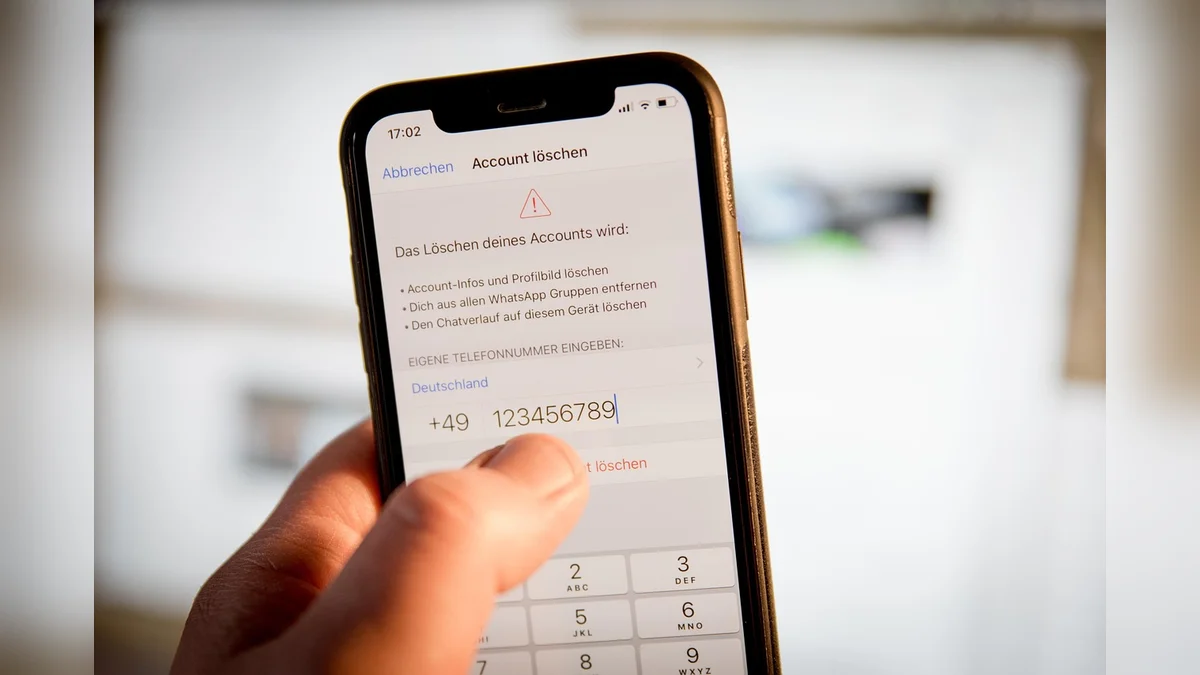
Retirement party invitations sent through a service like Google Forms or Evite capture responses automatically and timestamp them, so you can see who replied after the reminder went out. Add columns for dietary restrictions and accessibility needs — these are the two details venues ask for last and need most.
A simple tracking structure works:
- Guest name and contact method
- Invited date and response status
- Dietary needs and plus-one count
- Whether they are contributing to the group gift
- Whether they want to speak or share a written memory
That last column matters more than most organizers expect. Former colleagues often want to say something but will not volunteer unless asked directly.
How to apply this: create the tracking sheet before you send a single retirement party invitation, share it with one co-organizer, and set a reminder to reconcile it against the venue's final count three days out.
Budget, Gifts, and Etiquette Around the Invitation
Set the budget before the guest list, because the guest list is what the budget actually depends on. Industry surveys of event planners consistently show per-person catering as the largest single cost line, so headcount is the lever that matters — not the invitation design.
Decide whether the company, the team, or the guests are paying, and state it plainly in the retirement party invitation if guests are expected to contribute.
The etiquette rules that come up most often are simple. Do not invite the retiree's clients or vendors unless the retiree approves. Do not plan a roast unless you are certain the honoree enjoys one. And do not put a gift expectation on the invitation if management is funding the event — it reads as double-dipping.
The Society for Human Resource Management (SHRM) notes that workplace recognition events work best when they are consistent and clearly communicated in advance, rather than improvised. A short, clear retirement party invitation follows the same principle: it tells people exactly what is happening and what is expected of them.
How to apply this: write down your total budget and divide by your confirmed headcount before you choose a venue — if the per-person number is uncomfortable, cut the guest list rather than the food quality.
Frequently Asked Questions About retirement party invitation
How far in advance should I send a retirement party invitation?
Four to six weeks is the practical window for most events, and six weeks is safer when guests are traveling or when the retiree's former colleagues have left the company. For a small internal gathering in the office, two weeks is usually enough.
Send a reminder one week before the event with final details, and confirm the venue headcount three days out.

Send a retirement party invitation four to six weeks ahead, and six weeks if guests travel or former colleagues have moved on.
Should the retirement party be a surprise?
Only if you are certain the honoree wants one. Many retirees dislike being the center of an unscripted moment, and a surprise removes their ability to invite the people they actually want there. A safer approach is to tell the honoree the date and venue but keep the guest list and speeches as the surprise element.
Ask a close colleague or family member before committing.
Keep the retirement party invitation honest about surprises, since many retirees dislike unscripted moments and lose control of the guest list.
What do I write if the retiree does not want gifts?
State it directly on the invitation: "No gifts, please — your presence is the gift." If people still ask, offer one alternative such as a written memory, a photo for a memory book, or a donation to a cause the retiree supports. Naming a specific alternative stops the guessing and keeps contributions consistent across the group.
Can I send a retirement party invitation by email or group chat?
Yes, and for internal teams it is often the better choice. Email and group chat reach people instantly and let you attach an RSVP link. The risk is that group chat messages get buried, so pin the details and follow up with a direct message to anyone who has not responded by the deadline.
For formal events with outside guests, printed cards still set expectations more clearly.
How do I handle a retirement party invitation for a remote or hybrid team?
Send a digital invitation with a video link and a clear time zone, and consider recording the speeches for anyone who cannot attend live. Ask remote colleagues to submit a short written message or video clip in advance so they are represented in the program.
If the retiree is remote too, a hybrid event with a hosted video room works better than a fully in-person gathering they cannot reach.
Conclusion
A retirement party invitation succeeds on preparation, not on design flourishes. Keep these four takeaways in mind:
- Send four to six weeks ahead and set a firm RSVP deadline.
- Match the format to the event's tone, not to your taste in templates.
- Include all six essentials: who, what, when, where, RSVP, and gift expectations.
- Track responses in one shared document and reconcile with the venue three days out.
The next step is small and immediate: open a document, write the honoree's name and the event date, and fill in the six essentials around them. Once that skeleton exists, the retirement party invitation writes itself — and the guest of honor gets the send-off their career earned.





