retirement party places can make or break the send-off you have spent decades earning. A 2023 survey from the American Society of Association Executives found that venue selection ranks among the top three stressors for event planners, and a retirement celebration carries extra emotional weight because it happens once.
The problem is that most people default to the same tired restaurant back room and end up with a cramped, noisy space that undercuts the moment. This guide breaks down how to choose a venue by budget, guest count, and vibe, with concrete data points, a comparison table, and answers to the questions people ask too late.
You will finish with a shortlist you can actually book this week.
Start With Guest Count and Budget Before You Tour Anything
The single biggest mistake is touring venues before you know your numbers. Venue pricing scales directly with headcount, and a room that feels perfect for 30 guests becomes a fire-code headache at 80.
Industry data consistently shows that food and beverage consumes the largest share of any event budget, often more than half. That means your per-person catering minimum, not the room rental fee, drives the real cost of most retirement party places. Always ask for the food and beverage minimum in writing before you fall in love with a space.
Build a simple spreadsheet with three columns: guaranteed guest count, per-person spend, and total minimum. Then add 10 percent for gratuity and tax, which many contracts exclude from the quoted figure.
Practical tip: ask each venue for a "shoulder date" discount. Friday and Saturday evenings cost the most, while Thursday or Sunday afternoon slots at the same retirement party places frequently run noticeably lower.
Separate Room Rental From Catering
Some venues charge a flat room fee and let you bring your own caterer. Others bundle everything into one per-person price. Compare total cost, not the headline number, because a "free" room with a required $75-per-head minimum is rarely cheaper than a $500 rental with flexible catering.
Confirm the Real Capacity
Ask for the seated capacity, not the standing reception number. A space advertised for 120 cocktail guests may seat only 60 at tables, which matters for a sit-down retirement dinner.
How to apply this: call three venues today and ask one question first — "What is your food and beverage minimum for a Saturday in [month]?" You will eliminate half your list in ten minutes.

Match the Venue Type to the Retiree's Personality
The best retirement party places reflect the guest of honor, not the planner's Pinterest board. A quiet librarian and a lifelong sales rep rarely want the same room.
Here is how common venue types compare on the factors that matter most:
| Venue type | Typical strength | Watch out for | Action to take |
|---|---|---|---|
| Restaurant private room | Easy catering, low setup | Noise, tight capacity | Ask for a semi-private corner |
| Country club | Parking, formality | Member sponsorship rules | Confirm guest sponsorship policy |
| Hotel banquet hall | Turnkey AV and staff | High F&B minimums | Negotiate a weekday rate |
| Community center | Lowest rental cost | You arrange everything | Reserve early, check kitchen access |
| Brewery or winery | Relaxed, photogenic | Limited food menu | Confirm outside catering allowed |
| Rooftop or garden | Memorable atmosphere | Weather risk | Secure a rain backup clause |
A common scenario: a family books a trendy brewery, then discovers the taproom cannot seat 50 for a sit-down meal. Checking the layout before signing avoids that scramble.
Data from event-industry surveys repeatedly shows that guest experience — comfort, parking, and acoustics — outranks decor in post-event feedback. Prioritize function over aesthetics.
How to apply this: write one sentence describing the retiree in three adjectives, then score each venue against those words. If "cozy" is on the list, cross off the cavernous hotel ballroom.
Ask the Contract Questions That Save You Thousands
Most retirement party places look identical on a brochure and wildly different in the fine print. The contract is where your budget lives or dies.
According to the Better Business Bureau, complaints about event venues frequently involve unexpected fees and deposit disputes, so read every line before signing. Key clauses to negotiate:
- Attrition clause: what you owe if fewer guests attend than guaranteed
- Cancellation policy: the cutoff date and refund percentage
- Service charge and gratuity: confirm whether the "admin fee" is separate from the tip
- Outside vendor rules: cake, DJ, and photographer restrictions
- Setup and breakdown time: whether you are charged for early access
The IRS notes that some retirement gifts and party costs may carry tax implications for employers, so loop in an accountant if the company is paying.
One practical move: ask the venue to cap your guaranteed count at a number you are confident about, with a clause allowing you to add guests up to a set date. This protects you if RSVPs trickle in slowly.
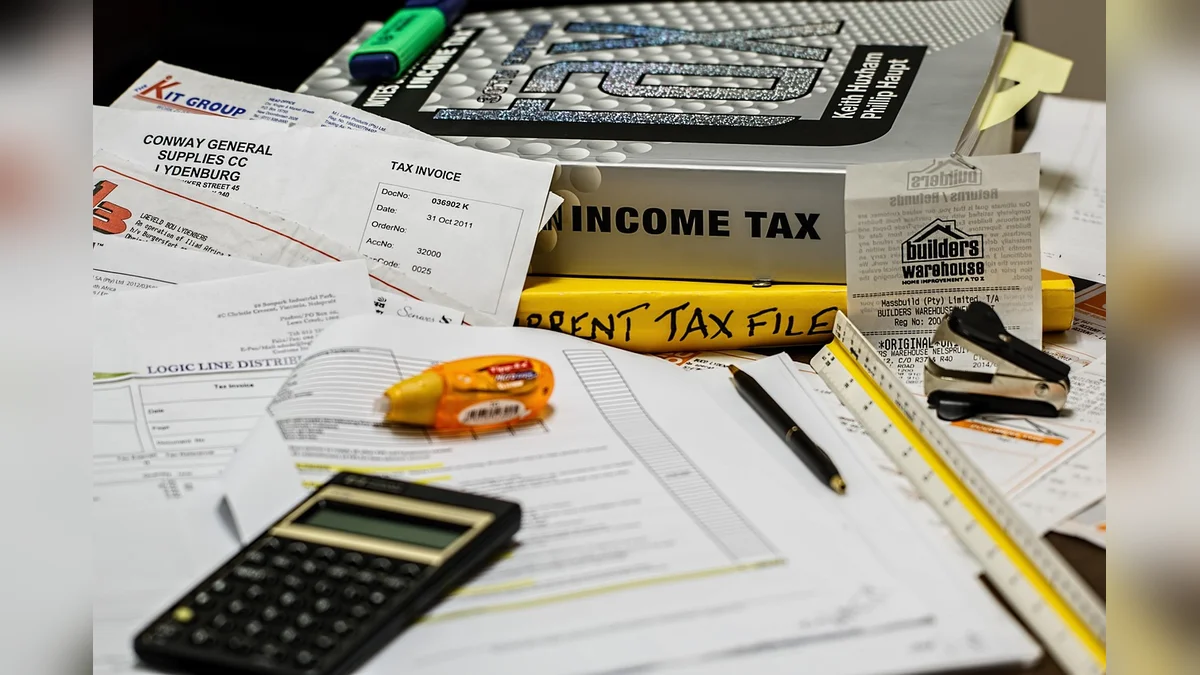
How to apply this: request the full contract by email before any deposit, and highlight every dollar figure that is not the base price.
Use Real Tools to Shortlist and Manage the Search
You do not need to cold-call blindly. A few established platforms do the heavy lifting for finding and comparing retirement party places.
- Peerspace lists hourly event spaces — lofts, gardens, and private rooms — with transparent pricing, useful when you want a non-traditional venue.
- The Knot maintains a large venue directory with reviews and capacity filters that transfer well to milestone celebrations.
- Google Maps is underrated for scouting: check street view for parking, read recent reviews for noise complaints, and save candidates to a shared list.
A simple workflow: shortlist five venues in Peerspace and Google Maps, cross-check reviews on The Knot, then request quotes from the top three. Keep everything in one shared document so family members can weigh in without a group-chat storm.
When comparing quotes, normalize them to a per-guest total so a $2,000 all-in package and a $45-per-head venue are judged on equal footing.
How to apply this: build a shared spreadsheet with columns for venue, per-guest cost, capacity, and contract red flags, and send it to your planning group tonight.
Plan the Logistics That Guests Remember
Great retirement party places are half the story; the other half is whether people can find them, park, and hear the speeches.
Parking and accessibility top the list of guest complaints in event feedback. Confirm the lot size, whether validation is offered, and whether the entrance is step-free for older attendees. A retiree's peers are often long-tenured colleagues, so comfort matters more than trendiness.
Acoustics deserve a specific question: "Is there a separate sound system for toasts, and can we test it?" A room with hard surfaces and high ceilings will swallow every heartfelt speech.
Timing also shapes cost and turnout. A weekday evening or Sunday afternoon celebration often draws better attendance from working colleagues than a Saturday night, and many venues price those slots lower.

Consider a hybrid option — a smaller in-person gathering with a video link — if key colleagues have moved away. Several venues now include basic AV at no extra charge.
How to apply this: visit your top venue in person at the same time of day as your event, and stand where guests will sit to test the noise level.
Frequently Asked Questions About retirement party places
How many guests should I plan for at a retirement celebration?
Plan around the confirmed RSVP count plus a 10 percent buffer, since last-minute attendees are common at workplace send-offs. If your retiree had a wide professional network, expect a higher turnout than a family-only event. For retirement party places with strict minimums, set your guaranteed count conservatively and add guests closer to the date.
Can I host a retirement party at home instead of a venue?
Yes, and it can be far cheaper, but only if your home handles parking, seating, and weather. A backyard gathering works well for 20 to 30 guests; beyond that, rentals and portable restrooms erase the savings. Compare the all-in home cost against retirement party places before deciding, and check local noise ordinances for evening events.
What is the best season to book a retirement venue?
Spring and fall are the most requested seasons, so book those dates three to six months ahead. Winter holidays and summer weekends compete with weddings and corporate events, driving prices up. If your date is flexible, ask about January and February slots at retirement party places, which often carry the deepest discounts.
How do I handle dietary restrictions for a mixed guest list?
Ask the caterer for a plated option with a vegetarian default and a clearly labeled allergy-friendly choice. Buffets handle variety well but slow the line; plated service feels more formal. Confirm in writing that the venue can accommodate gluten-free and halal requests, since not every retirement party places kitchen can.
Should the company or the family pay for the party?
Tradition varies widely, and clarity prevents awkwardness. Many organizations cover a portion as a recognition expense, while colleagues and family split the rest. Decide who signs the contract and holds the deposit before you book retirement party places, and put the arrangement in writing so no one is surprised at the end.
Conclusion
Choosing the right venue comes down to a few repeatable moves:
- Lock your guest count and per-person budget before you tour anything.
- Match the venue type to the retiree's personality, not the trendiest listing.
- Read every contract clause, especially attrition, gratuity, and cancellation.
- Use Peerspace, The Knot, and Google Maps to shortlist fast and compare fairly.
The payoff is a send-off that feels personal and stress-free. Start tonight by building your three-venue shortlist and requesting quotes by email. With a clear budget and the right retirement party places, you can book a celebration that honors decades of work without blowing the budget.





