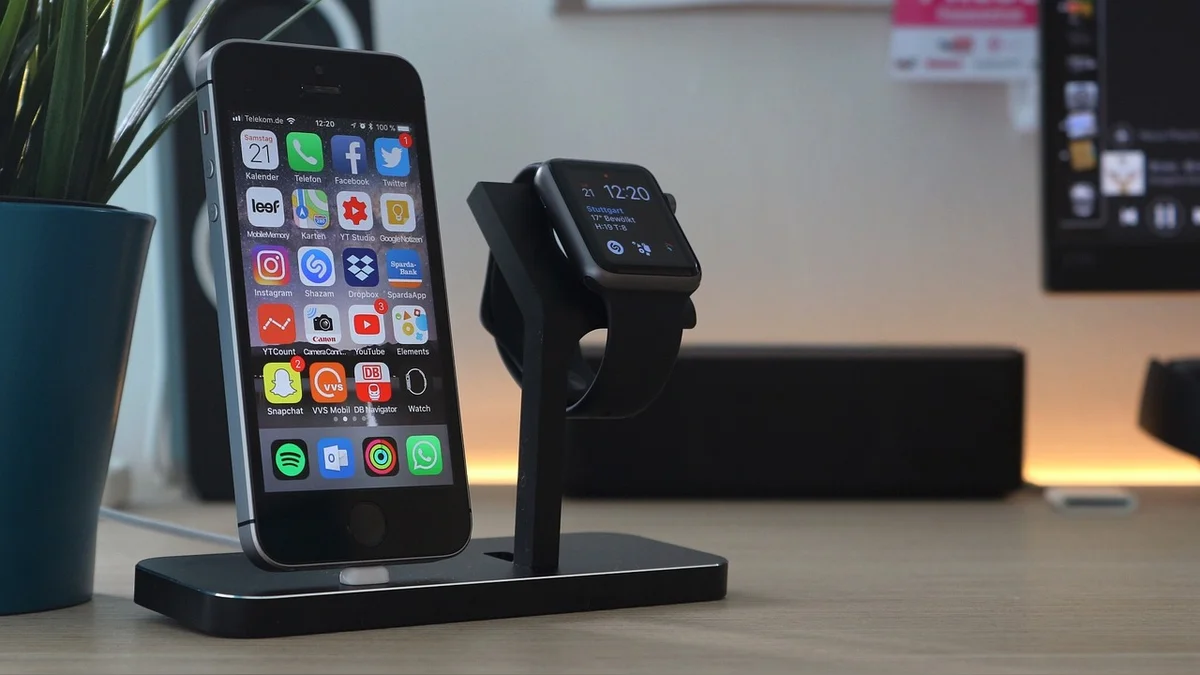
Modern science and digital tools have transformed how people maintain health, stay connected, and navigate daily life as they age. Contemporary research reveals that practical innovations expand independence while keeping individuals informed about their well-being. By focusing on intuitive design rather than complicated systems, modern technology supports everyday autonomy and creates meaningful opportunities for lifelong learning across diverse communities.
Everyday Innovation and Independent Living
Communication Platforms Expand Social Connections
Digital communication tools help older adults maintain close relationships with family members and friends across great geographical distances. Video calls and messaging services replace traditional postal letters with immediate conversation and visual contact. These interactive platforms reduce feelings of isolation and foster regular support networks that enhance emotional health and daily confidence. Many individuals discover that simple interfaces allow them to join community groups and share personal milestones without frustration.
Smart Home Systems Enhance Personal Safety
Automated household technology provides subtle layers of security and convenience that protect independence at home. Motion sensors and smart lighting prevent nighttime falls by illuminating dark hallways automatically upon movement. Programmable thermostats and smart door locks reduce physical strain while offering remote peace of mind to relatives. Such systems operate quietly in the background, minimizing the need for manual adjustments and letting residents focus on daily routines.

Health Monitoring Devices Track Vital Wellness
Wearable instruments and home health tools empower individuals to observe their own physical activity and heart rhythms. These compact devices deliver clear summaries of daily steps, sleep patterns, and blood pressure trends over time. Sharing this straightforward data with medical professionals supports proactive conversations during routine clinic appointments. Understanding personal health metrics encourages active participation in recovery plans and preventive wellness habits.
Digital Literacy Promotes Lifelong Engagement
Access to online educational programs enables older adults to explore new hobbies, languages, and historical subjects. Local libraries and community centers often provide guided tutorials that demystify web navigation and cybersecurity basics. Building digital competence fosters self-reliance when managing online banking, public services, and entertainment media. Continuous mental stimulation through structured digital learning strengthens cognitive resilience and keeps curiosity thriving.

Evaluating Practical Value and Digital Safety
Selecting reliable technological tools requires balancing practical utility against personal comfort and online security. Evaluating whether a device genuinely simplifies daily routines helps prevent unnecessary complexity and frustration. Prioritizing clear privacy policies and transparent data controls ensures that personal information remains safe while enjoying digital connectivity.
| Tool Category | Primary Benefit | Key Consideration |
|---|---|---|
| Video Chat | Maintains social ties | Requires stable internet |
| Activity Trackers | Encourages daily movement | Needs regular recharging |
| Smart Speakers | Simplifies voice controls | Listens for wake words |
| Online Portals | Organizes medical records | Demands strong passwords |
Actionable Steps for Selecting Useful Technology
- Identify one specific daily task that could become easier with a straightforward digital tool.
- Test device buttons and screen layouts in person before making any major purchase decision.
- Consult family members or library volunteers for patient guidance on initial setup steps.
- Review privacy settings carefully to confirm personal data stays protected against unwanted sharing.
Frequently Asked Questions
Which devices offer the easiest transition for beginners?
Tablets and basic smartphones with large text options provide gentle learning curves. Their intuitive touchscreens require minimal setup and allow users to adjust display sizes according to their individual visual preferences.
How can individuals protect privacy online?
Creating strong unique passwords and enabling two-factor authentication safeguards personal accounts. Regular software updates also patch security vulnerabilities before malicious actors exploit them.

Are digital tools required for modern healthcare?
While patient portals streamline appointment scheduling and test results, traditional phone options remain available. Digital resources complement rather than completely replace direct communication with medical providers.
Conclusion
Embracing science and technology empowers older adults to live with greater confidence, safety, and social connection. Approaching new tools step-by-step ensures that innovation serves personal values rather than causing stress. Explore a local community center workshop this week to test a new digital tool.