Finding the right thank you retirement gift can feel surprisingly difficult. You want something meaningful, but you also don't want to hand over a generic mug that ends up in a drawer.
According to the Society for Human Resource Management, a significant portion of organizations now offer some form of retirement recognition, yet many employees report feeling underwhelmed by what they receive. The problem isn't budget. It's a lack of personalization and timing.
This guide covers five practical secrets to choosing a retirement gift that actually lands. You'll learn how to match the gift to the person, when to give it, how to write a note that matters, and which tools can help you coordinate a group gift without chaos.
1. Start With the Person, Not the Price Tag
A thank you retirement gift works best when it reflects the retiree's actual life, not just their job title. A fishing rod for someone who has never fished is a miss, even if it costs $200. A modest gift tied to a real hobby or plan wins every time.
Industry surveys consistently show that personal relevance outranks cost in recipient satisfaction. The Employee Benefit Research Institute has noted that retirement transitions are emotionally complex, and gifts that acknowledge the person's identity beyond work tend to be remembered longer. Think about what they plan to do next: travel, garden, volunteer, write, or simply sleep in.
A common scenario: a retiring teacher who loves birdwatching receives a high-quality pair of compact binoculars with a note that says, "For all the mornings you now get to spend outside." That beats a plaque. The right thank you retirement gift honors who they are becoming, not just who they were at work.
How to apply this: Write down three things the retiree talks about outside of work. Choose a gift that connects to at least one.
2. Coordinate a Group Gift Without the Email Chaos
When multiple coworkers want to contribute to a thank you retirement gift, the logistics can fall apart quickly. Someone starts a spreadsheet. Another person forgets to reply. Half the team doesn't know who is collecting money. The result is a last-minute scramble.
Tools like Collection Pot exist specifically for this. You create a page, share a link, and everyone contributes digitally. The platform tracks who has given and lets you collect messages alongside the money. Another option many workplaces use is PayPal Money Pools, which works well if your team already uses PayPal for other transfers.
The key is assigning one coordinator and setting a clear deadline. Without a deadline, group gifts drag on for weeks. With a deadline, people either contribute or they don't, and you can move forward. A coordinated thank you retirement gift from the whole team carries more weight than scattered individual presents.
How to apply this: Pick one collection tool, set a firm deadline at least one week before the retirement party, and send exactly two reminder messages.
3. Time the Gift for Maximum Impact
When you give a thank you retirement gift matters as much as what you give. Handing it over during a rushed final-day meeting feels anticlimactic. Presenting it at a dedicated moment—even a short one—changes how it's received.
Many HR professionals recommend scheduling the gift presentation early in the final week, not on the last day. The last day is often consumed with paperwork, returning equipment, and emotional goodbyes. By then, the retiree is mentally checked out. A presentation earlier in the week allows them to actually enjoy the moment.
Consider a small gathering with the team, a few words from a manager, and then the gift. Keep it under 15 minutes. The retiree gets a genuine sendoff, and coworkers get closure too. Timing transforms a thank you retirement gift from an afterthought into a genuine celebration.
How to apply this: Schedule the gift presentation for the retiree's second-to-last day, ideally in the morning when energy is higher.
4. Write a Note That Outlasts the Gift
The card accompanying a thank you retirement gift often gets more attention than the gift itself. Retirees save cards. They read them again months later. A thoughtful note turns a good gift into a lasting memory.
According to retirement planning experts at AARP, retirees frequently cite written messages from colleagues as the most meaningful part of their sendoff. The specific memory matters more than generic praise. Instead of "Thanks for everything," write something like, "I still remember how you stayed late to help me prepare for my first client presentation in 2019.
I wouldn't have made it through that week without you."

Be specific. Mention one moment. Sign your full name, not just a first name, because years from now the retiree may not remember who "Sarah" was. A handwritten note paired with a thank you retirement gift shows effort that a store-bought card alone cannot match.
How to apply this: Before writing the card, recall one specific interaction with the retiree. Reference that moment in two sentences.
5. Avoid the Three Most Common Gift Mistakes
Even well-intentioned people make predictable errors with a thank you retirement gift. Knowing these mistakes helps you sidestep them.
The first mistake is buying something that ties the person to work. A desk organizer or a framed photo of the office building reinforces the thing they are leaving. Retirement gifts should point forward, not backward.
The second mistake is spending too much on engraving or personalization that can't be undone. A watch engraved with the wrong retirement date becomes awkward. If you personalize, double-check every detail with someone who knows the retiree well.
The third mistake is ignoring practical constraints. A gift certificate to a restaurant in a city the retiree is moving away from is useless. A heavy piece of furniture for someone downsizing to a condo creates a burden, not a gift. Before you finalize any thank you retirement gift, consider whether it fits the retiree's actual future plans.
How to apply this: Before finalizing any gift, ask one question: does this make the retiree's next chapter easier or more enjoyable?
Comparison: Group Gift Collection Tools
| Tool | Best for | Key feature | Action to take |
|---|---|---|---|
| Collection Pot | UK and EU teams | Message wall alongside contributions | Set up a pot with a clear goal amount |
| PayPal Money Pools | US teams already using PayPal | No fees for personal transfers | Share the pool link in one team channel |
| Envelope + cash | Small offices under 10 people | Zero setup time | Assign a coordinator to track contributors |
For a heartfelt send-off, a thank you retirement gift collected through Collection Pot lets UK and EU teams share memories on a message wall.
Frequently Asked Questions About thank you retirement gift
How much should I contribute to a group retirement gift?
A common range is $10 to $25 per person for a colleague you work with regularly. For a close work friend or direct report, $25 to $50 is typical. The amount matters less than consistency. If your workplace has an unspoken norm, follow it. Contributing far more than everyone else can create awkwardness, while contributing far less can signal disinterest.
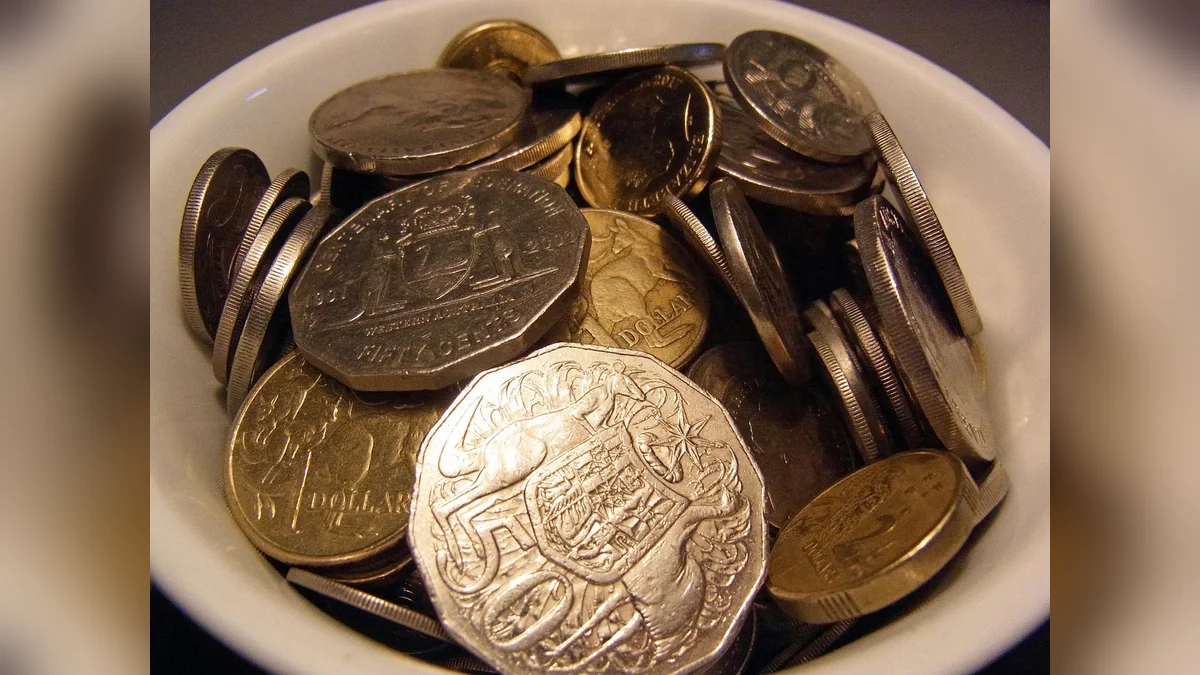
When deciding on a group contribution, your consistency matters more than the amount you put toward a thank you retirement gift.
What if I don't know the retiree well enough to choose a thoughtful gift?
A thank you retirement gift doesn't require deep personal knowledge. Gift cards to broadly useful places like Amazon, Target, or a grocery store work well. Cash in a card is also acceptable and appreciated by many retirees. If you want something slightly more personal, ask their closest coworker for a suggestion.
One reliable option: a contribution to a group gift with a heartfelt note.
Can I give a retirement gift after the person has already left?
Yes, and this is more common than you might think. If someone retires suddenly or you miss the group collection, sending a thank you retirement gift within a few weeks is still appreciated. A handwritten card explaining that you wanted to take time to choose something meaningful can make a late gift feel intentional rather than forgotten.
What should I avoid writing in a retirement card?
Avoid jokes about the person being old, comments about them having nothing to do, or pressure to stay in touch. Don't mention regrets about them leaving in a way that makes them feel guilty. Avoid asking for favors or work-related questions.
A thank you retirement gift card should focus on appreciation and well-wishes for what comes next, not on your own feelings of loss.
Is it appropriate to give a gag gift for retirement?
Gag gifts work only if the retiree has a demonstrated sense of humor and you have a close relationship. Even then, pair the gag gift with a sincere element. A joke gift alone can feel dismissive, especially if the person is emotional about leaving. When in doubt, choose sincerity over humor for a thank you retirement gift.
Conclusion
A well-chosen thank you retirement gift doesn't require a big budget or elaborate planning. It requires attention to the person and their next chapter.
- Start with the retiree's real interests, not their job title
- Use a digital tool to coordinate group contributions without chaos
- Present the gift before the final day when the retiree can actually enjoy it
- Write a specific, personal note that outlasts the gift
- Avoid gifts that tie the person to work or create practical burdens
Your next step is simple: write down one specific memory you have of the retiree. Use that memory to guide both the gift and the note. That single act of attention is what turns a generic present into a genuine thank you retirement gift.





