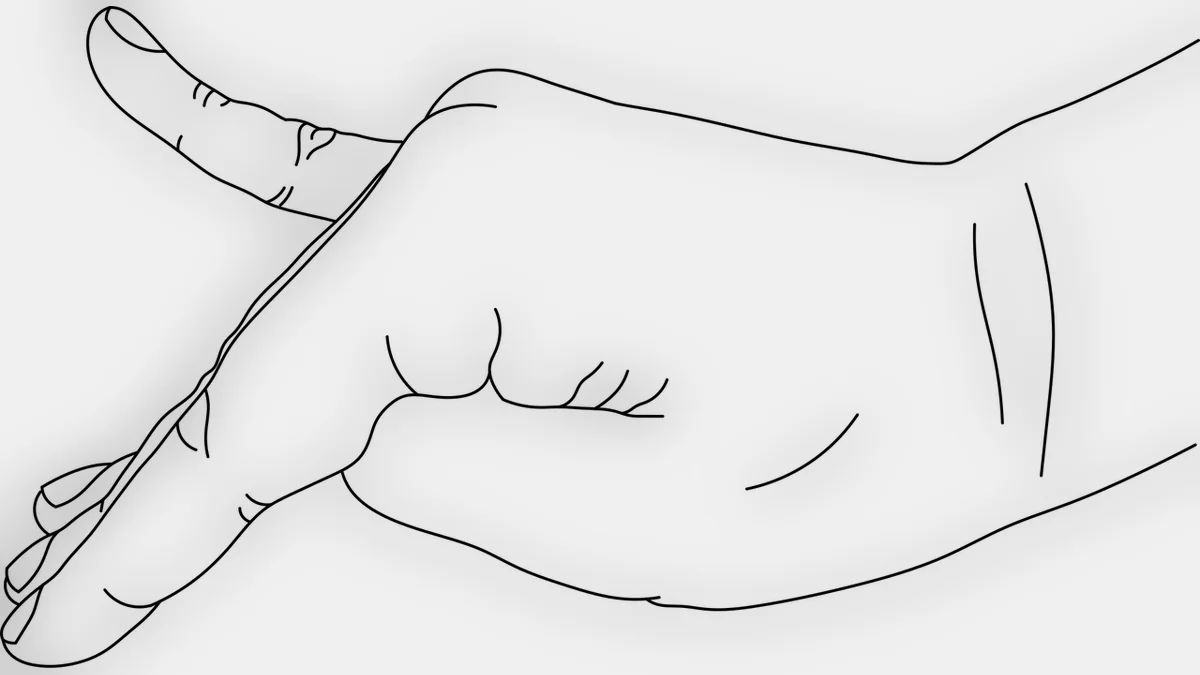
Car hand controls provide essential mechanical alternatives for operating a vehicle when lower limb function is limited or unavailable. These specialized mechanical devices connect directly to the standard accelerator and brake pedals. By shifting core driving functions to the upper body, hand controls allow drivers to maintain full personal mobility, independence, and safety on public roadways every single day.
Core Mechanical Design and Function
Push-Pull Mechanism Operation
The push-pull style lever represents one of the most widely utilized hand control systems found in modern personal vehicles. Pushing the mechanical lever forward engages the vehicle brakes to slow or stop smoothly. Pulling the exact same lever backward opens the throttle to accelerate forward. This linear motion keeps upper body movements intuitive and prevents accidental input during normal road travel situations.
Push-Right-Angle Operation
Push-right-angle hand controls use a distinct mechanical configuration designed for drivers who prefer a downward or lateral hand sweep. Pushing the primary lever forward activates the vehicle brakes just like standard systems. Pressing the handle downward toward the vehicle floor activates the accelerator mechanism. This distinct directional separation helps reduce driver fatigue during long daily commutes or heavy traffic conditions.

Push-Twist Mechanical Layout
Push-twist control systems combine linear braking with a motorcycle-style twist action for acceleration. Pushing the control lever forward applies the brakes smoothly in emergency or routine slowing situations. Twisting the handle grip downward or forward engages the gas pedal to increase vehicle speed. This design allows drivers to rest their palm comfortably while managing acceleration and braking inputs.
Electronic and Digital Interfaces
Advanced digital hand control systems replace heavy mechanical rods with responsive electronic sensors and miniature keypads. These modern devices reduce the physical effort required to operate acceleration and braking systems. Drivers can mount secondary turn signals, horn switches, and cruise controls directly onto the main hand lever for seamless operation.

Assessment and Licensing Procedures
Obtaining proper evaluation and official licensing updates ensures that hand control modifications match individual physical capabilities and state driving safety regulations. Certified specialists review motor skills before road testing.
| Control Type | Primary Mechanism | Physical Effort |
|---|---|---|
| Push-Pull Lever | Forward for brake, back for gas | Moderate upper body strength |
| Push-Right-Angle | Forward for brake, down for gas | Low wrist and palm stress |
| Push-Twist Grip | Forward for brake, twist for gas | Continuous palm grip control |
| Digital Electronic | Sensor trigger and keypad input | Minimal physical resistance |
Steps to Configure Vehicle Modifications
- Consult a certified driver rehabilitation specialist for a functional evaluation.
- Test various mechanical hand control styles at a specialized training center.
- Schedule professional equipment installation through a certified automotive modifier.
- Complete a state motor vehicle department driving test to update credentials.
Frequently Asked Questions
Can any vehicle be fitted with hand controls?
Most automatic transmission passenger cars, SUVs, and light trucks can accommodate mechanical or electronic hand controls. Certified technicians inspect steering columns and floor layouts to ensure safe mounting alignment without interfering with factory safety airbags.
Do hand controls require a special license endorsement?
State licensing agencies often add a specific restriction code to your driver license after passing a practical evaluation. This code confirms that adaptive equipment must remain active whenever you operate a registered motor vehicle.

How much do hand control installations cost?
Basic mechanical hand control systems and professional installation generally range under one thousand dollars. Complex electronic steering or braking packages require higher investments, though public vocational grants may offset expenses.
Conclusion
Selecting appropriate vehicle hand controls restores confidence and reliable independence for daily transportation needs. Schedule an evaluation with a certified driver rehabilitation expert to explore equipment options tailored to your physical requirements.