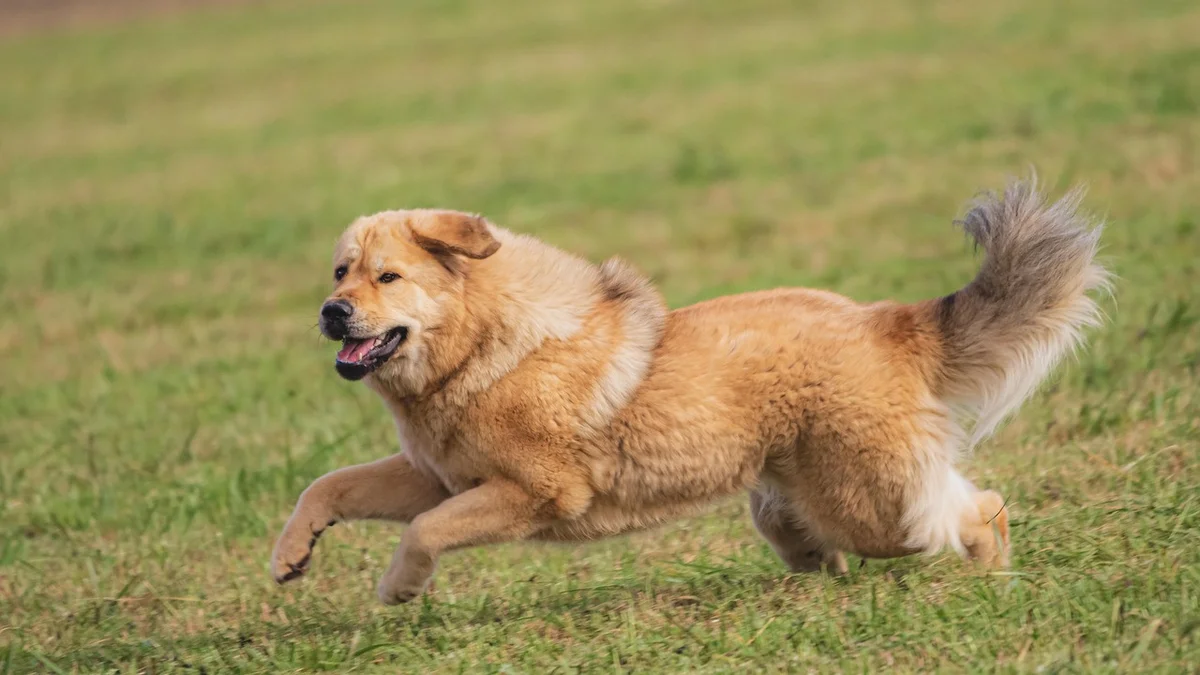
Heavy breathing is generally not normal for an elderly dog when resting quietly, as senior canines normally maintain a calm respiratory rate. While warm weather, mild exertion, or brief excitement can trigger temporary panting, persistent heavy respiration or labored chest movement during downtime often points to underlying medical conditions.
Common Medical Causes of Senior Canine Heavy Breathing
Congestive Heart Failure and Fluid Accumulation
Heart disease frequently develops in older canines and can progress into congestive heart failure when the heart muscle struggles to pump blood effectively. This circulatory strain allows fluid to leak into or around the lungs, resulting in pulmonary edema that severely restricts oxygen exchange. As a consequence, dogs experience rapid or shallow breathing even while asleep, alongside a soft cough or low stamina. Veterinary evaluation helps confirm heart status through imaging and manages fluid buildup safely with specialized prescribed oral medications over time.
Chronic Joint Discomfort and Systemic Pain
Physical pain acts as a major and frequently underrecognized trigger for rapid or heavy panting in older animals. Conditions like severe osteoarthritis, spinal degeneration, or internal inflammation prompt the nervous system to release stress hormones that elevate heart and breathing rates. An uncomfortable senior dog often struggles to find a settled resting position, paces around the room, or pants continuously without any ambient heat. Providing appropriate veterinary pain management often stops this stress-induced panting and restores restful slumber.

Upper Airway Disorders and Laryngeal Paralysis
Aging structures in the throat and windpipe can lose normal muscle tone or structural integrity over time. Laryngeal paralysis causes the voice box cartilage to fail to open properly during inhalation, creating a harsh noise and significant breathing friction. Similarly, a collapsing trachea narrows the windpipe tube and provokes repetitive honking coughs or heavy distress. These mechanical blockages require diagnostic confirmation by a veterinarian to determine whether lifestyle adjustments, anti-inflammatory support, or surgical options are suitable.
Metabolic Disruptions and Endocrine Imbalances
Internal hormone shifts such as Cushing disease or systemic anemia frequently induce excessive panting in older pets. Excess cortisol production alters normal metabolism and muscle strength, while a reduced red blood cell count forces the lungs to work harder to supply oxygen to tissues. Blood panels and clinical examination uncover these hidden endocrine or hematological imbalances. Targeted medical treatment addresses the root hormonal or cellular deficit, which subsequently eases the respiratory workload and improves overall comfort.

Assessing Resting Respiratory Rates at Home
Monitoring your senior companion while they sleep provides reliable insight into their baseline wellness and helps distinguish normal rest from developing cardiopulmonary distress.
| Breathing Metric | Normal Expected Range | Abnormal Warning Signs |
|---|---|---|
| Sleeping Rate | Between 15 and 30 breaths per minute | Consistently exceeding 30 breaths per minute |
| Abdominal Effort | Smooth and subtle rib movement | Heavy stomach pumping or flaring nostrils |
| Gum Coloration | Healthy moist pink tissue | Pale, white, or bluish discoloration |
| Recovery Time | Settles within minutes after activity | Pants endlessly in a cool room |
How to Check Your Dog at Home
- Observe your senior companion only when they are deeply asleep or resting quietly.
- Count each outward movement of the chest wall across a full sixty-second timer.
- Repeat the measurement over multiple days to establish a reliable personal baseline.
- Contact your local veterinarian promptly if numbers rise above normal limits.
Frequently Asked Questions
What is considered a dangerous breathing rate for an elderly dog?
A sleeping respiratory rate that consistently stays above 30 breaths per minute is abnormal. Counts surpassing 40 breaths per minute or accompanied by visible abdominal effort indicate severe distress requiring immediate veterinary care.
Can anxiety or cognitive decline cause heavy breathing at night?
Yes, canine cognitive dysfunction and age-related anxiety frequently trigger nighttime restlessness, pacing, and rapid panting. Disorientation in the dark disrupts normal calming signals and elevates physiological stress responses.

When should I treat heavy breathing as an emergency?
Seek urgent emergency veterinary assistance if you notice blue or pale gums, open-mouth gasping, extreme weakness, or collapse. These signs mean oxygen is not reaching vital organs properly.
Conclusion
Heavy breathing in an aging dog should never be dismissed as simple old age without a proper medical check. Tracking resting breaths and watching for physical strain helps catch treatable conditions early. Schedule a comprehensive diagnostic appointment with your veterinarian to protect your companion's long-term comfort.