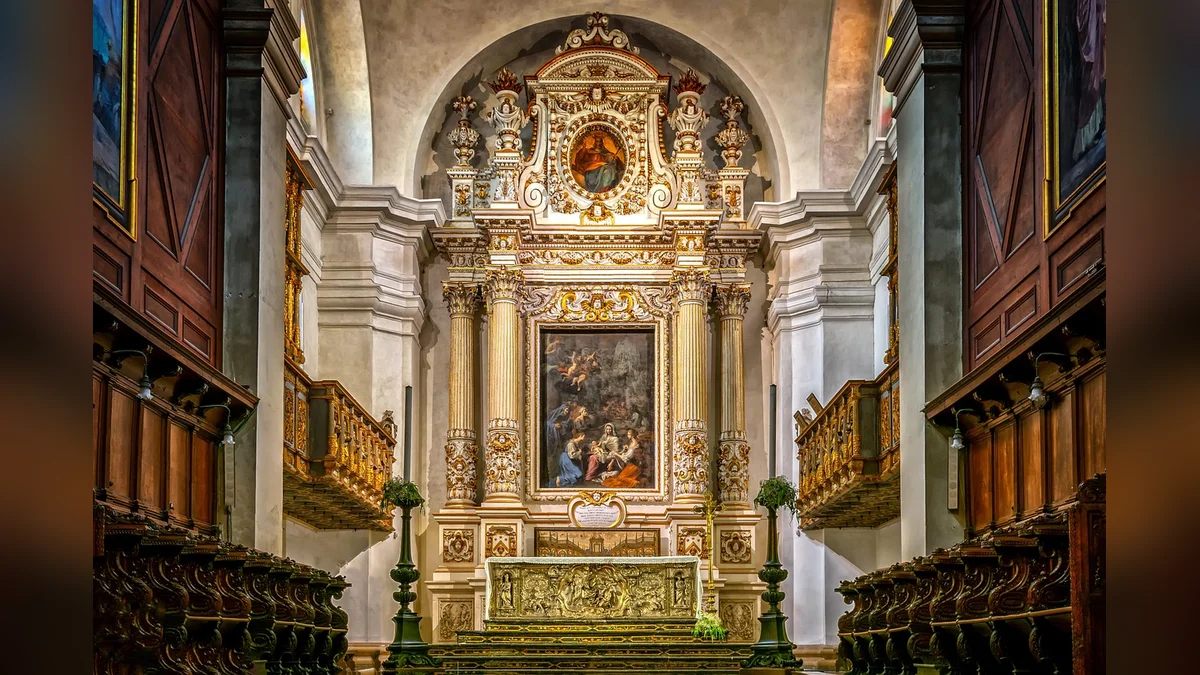
Church elders serve spiritual leadership and pastoral care roles within local congregations based on time-tested biblical standards. These criteria emphasize personal character, family faithfulness, sound doctrine, and a strong public reputation over mere administrative skills or social status. Evaluating candidates carefully helps communities maintain integrity, unity, and faithful witness across every season of congregational life today.
Biblical Standards for Spiritual Leadership
Personal Character and Integrity
An elder must first demonstrate a life that is above reproach in daily conduct and moral choices. Scripture outlines specific virtues such as self-control, gentleness, hospitality, and a calm temperament that resists unnecessary conflict or arrogance. These inner qualities ensure that leadership flows from a transformed heart rather than personal ambition or a desire for authority. Congregations look for consistency between public ministry and private behavior over extended periods of time.
Family and Domestic Stewardship
Faithful management of one's household serves as a primary litmus test for spiritual oversight in the local church. The candidate should demonstrate devoted commitment to marriage along with orderly, respectful relationships with children who understand biblical guidance. If an individual cannot nurture peace and accountability within their immediate family circle, guiding a broader church community becomes practically impossible. This domestic benchmark guards congregations from entrusting spiritual direction to disorganized or fractured home environments.

Doctrinal Clarity and Teaching Ability
Spiritual leaders must hold firmly to trustworthy apostolic teaching and communicate biblical truth with clarity and patience. Being able to teach involves more than formal public speaking skills; it requires defending sound doctrine and gently correcting misunderstandings. Elders guide study groups, mentor believers, and protect the congregation from divisive or misleading theological trends. Sound understanding combined with humility keeps the church grounded in historic Christian faith.
Community Reputation and Maturity
A qualified elder needs a respected standing among people outside the immediate faith community to maintain a credible public witness. Rushing a recent convert into leadership invites spiritual pride and potential failure, making maturity and tested experience essential prerequisites. Neighbors, coworkers, and local observers should view the candidate as honest, fair, and reliable. This external reputation prevents hypocrisy and honors the name of Christ within the surrounding neighborhood.

Evaluating Candidates in Local Congregations
Assessing prospective elders requires prayerful discernment, open dialogue, and adherence to established constitutional guidelines within the denomination. Congregations balance pastoral observation with structured interviews to verify character before granting formal authority.
| Qualification Area | Primary Focus | Key Observation |
|---|---|---|
| Character Traits | Personal Virtue | Humility and self-control |
| Family Life | Domestic Order | Faithful home relationships |
| Doctrine | Biblical Truth | Adherence to sound teaching |
| Public Standing | External Reputation | Respect from community |
Practical Steps for Church Evaluation
- Review written biblical qualifications outlined in pastoral letters like 1 Timothy 3 on Bible Gateway before nominating.
- Engage in confidential conversations with family members to confirm domestic peace and mutual support.
- Solicit honest feedback from fellow church members regarding the candidate's patience and servanthood.
- Observe active participation in small groups and teaching opportunities over an extended trial period.
Frequently Asked Questions
What is the difference between elders and deacons?
Elders focus primarily on spiritual oversight, prayer, and doctrinal teaching, whereas deacons concentrate on practical service and physical needs. Both offices require high moral character, but their daily responsibilities within the local church body differ distinctly.
Must a church elder be married with children?
Biblical texts emphasize domestic faithfulness and orderly household management rather than strict marital or parental status. Unmarried believers or those without children can still demonstrate wise stewardship, personal discipline, and pastoral care for others.

How long should someone be a member before serving?
Scripture warns against appointing recent converts to leadership positions to prevent pride and stumbling. Most congregations establish a multi-year membership window to observe character consistency and spiritual growth thoroughly.
Conclusion
Selecting church elders requires honoring timeless biblical expectations while prioritizing genuine character, family health, and sound teaching. Review your congregation's bylaws and scripture passages today to participate thoughtfully in the next nomination process.