what is semi retired? It means you have left full-time work but still earn income part-time, often by choice rather than necessity. Gallup's 2024 workforce research found that a large share of older workers now prefer phased retirement over a hard stop.
The problem is that most people confuse this lifestyle with full retirement, then misjudge their income, taxes, and healthcare costs. This article explains what being semi-retired really looks like, how the money works, and what steps to take before you scale back.
What Semi-Retired Actually Means in Practice
A semi-retired person works fewer hours or takes on lighter roles while drawing some income from savings, pensions, or investments. The key difference from full retirement is simple: money still flows in from work, just at a reduced level.
This arrangement suits people who want structure, social contact, or extra cash without a full-time schedule. In many cases, it is a gradual transition rather than a single event.
Consider one common scenario: a project manager reduces to three days a week, keeps employer health coverage, and delays dipping into retirement accounts. That single choice can extend portfolio longevity by years.
The label is personal. Some people work ten hours a week and call themselves semi-retired; others work thirty and use the same term. The definition depends on your intent and your finances, not a fixed hour count.
- Work hours: typically 10 to 30 per week
- Income: partly from work, partly from investments
- Purpose: flexibility, relevance, or a softer landing into full retirement
Decades ago, most workers moved straight from full-time employment to no work at all. That pattern has shifted. A 2024 Pew Research Center analysis of U.S. labor data found that a rising share of adults aged 65 and older remain in the workforce compared with earlier generations.
The clearest marker of being semi-retired is that you no longer depend on a paycheck for survival, yet you still choose to earn. You treat work as optional income, not a lifeline.
How to apply this: write down your current monthly expenses and the minimum income you need, then calculate how many weekly work hours would cover that gap.
A semi-retired person works fewer hours or lighter roles while still drawing income from savings, pensions, or investments, so knowing what is semi retired starts with that balance.
The key difference from full retirement is simple: money still flows, which is exactly what is semi retired means in everyday practice.
Semi-Retired vs Full Retirement: Key Differences
Full retirement means you stop paid work entirely and live on savings, pensions, and benefits. A semi-retired life keeps one foot in the workforce, which changes both your cash flow and your risk profile.
The table below compares the two paths across the factors that matter most.
| Factor | Full Retirement | Semi-Retired | Action to take |
|---|---|---|---|
| Income source | Savings, pension, benefits | Work plus savings | Project your monthly gap |
| Healthcare | Self-funded or Medicare | Often employer plan | Check plan eligibility rules |
| Portfolio draw | Full withdrawal rate | Reduced withdrawal | Lower your annual draw |
| Tax picture | Mostly fixed income | Mixed income types | Consult a tax professional |
| Social contact | Fully self-managed | Built into work | Decide what you need |
| Flexibility | Maximum | Moderate | Set a maximum work week |
A reduced withdrawal rate is the quiet advantage here. If part-time income covers half your expenses, you pull less from retirement accounts each year, which gives the remaining balance more time to recover after market downturns.
Retirement researchers often describe this as the "glide path" into later life. The Social Security Administration notes that claiming benefits before full retirement age permanently reduces your monthly payment, which is one reason many people keep working part-time instead of filing early. You can review the official rules at the Social Security Administration.

- Sequence risk drops when you withdraw less
- Extra working years can raise future benefit amounts
- A slower exit gives you room to test the lifestyle
How to apply this: use a free retirement calculator to model two scenarios, one with part-time income and one without, and compare how long your savings last.
Full retirement means you stop paid work entirely and live on savings, pensions, and benefits, while what is semi retired keeps one foot in the workforce.
That single change reshapes both your cash flow and your risk profile, so what is semi retired is as much about exposure as it is about hours.
How to Calculate Whether You Can Go Semi-Retired
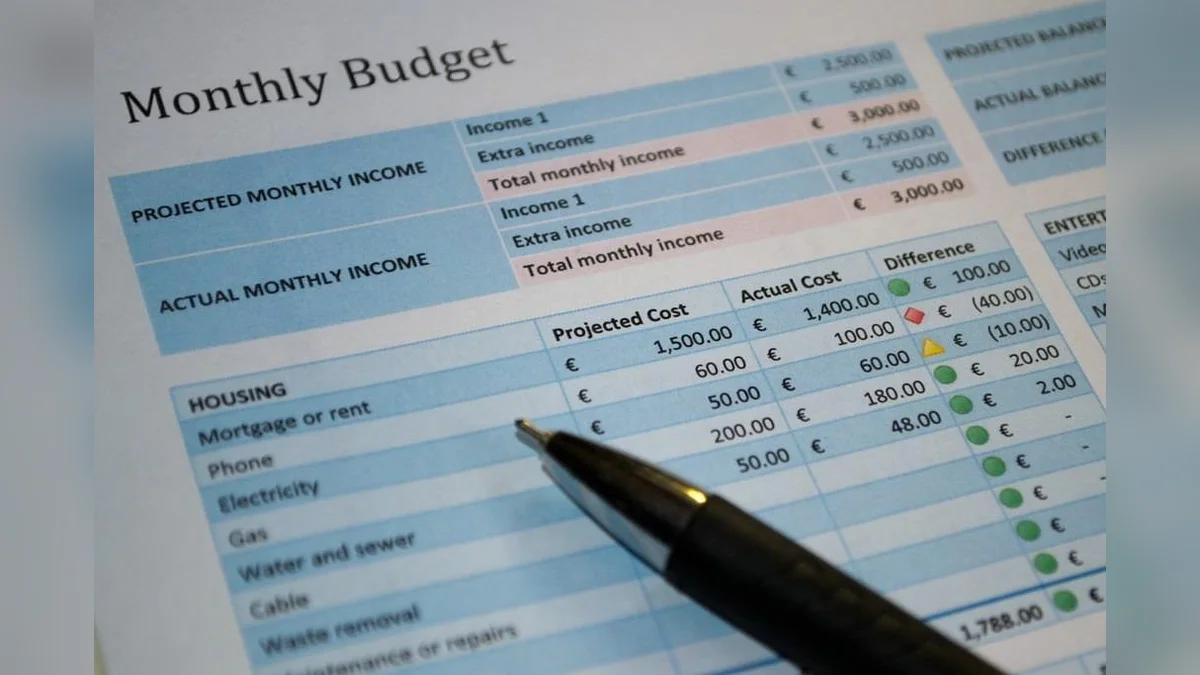
The math comes down to one number: the gap between your living costs and your guaranteed income. If part-time work closes that gap, you can make the move.
Start with your essential monthly expenses, then subtract reliable income such as a pension, annuity, or rental payment. The remainder is what your part-time work and portfolio must cover together.
- Step 1: total your fixed monthly costs
- Step 2: subtract guaranteed income sources
- Step 3: divide the gap by your expected hourly or project rate
- Step 4: compare the result against hours you are willing to work
Real numbers vary widely by region, housing status, and health costs. Rather than chase a single magic figure, track your own spending for three months and use that as your baseline. Many financial planners report that clients consistently underestimate healthcare and travel costs.
A useful buffer is one to two years of expenses held in cash or short-term savings. This keeps you from selling investments during a market drop just to pay bills.
The Consumer Financial Protection Bureau offers free tools and guides on budgeting and retirement planning that can help you build this buffer before you reduce your hours.
If the numbers do not work yet, adjust one variable instead of abandoning the plan. Cutting expenses, working two more years, or choosing a lower hourly target can all close the gap.
How to apply this: build a simple spreadsheet with your expenses in one column and income sources in another, then update it every quarter to track your progress.
The math comes down to one number: the gap between your living costs and your guaranteed income, which is the core of what is semi retired planning.
Start with essential monthly expenses, then test whether part-time work closes that gap before you commit to what is semi retired.
The Real Risks of Scaling Back Too Soon
The biggest risk is misjudging how long your money must last. A semi-retired phase can stretch for twenty or thirty years, and costs like healthcare tend to rise with age.
Another risk is underestimating the psychological shift. Work provides routine and identity for many people, and losing that suddenly can feel harder than expected.
- Underestimating healthcare inflation
- Assuming part-time income will stay steady
- Claiming benefits too early and locking in a lower payment
- Ignoring taxes on mixed income streams
Sequence-of-returns risk deserves special attention. If a market downturn hits early in your semi-retired years while you are still withdrawing, the damage to your portfolio can be permanent. Reducing withdrawals during down years is one of the most effective defenses.
Tax planning matters too. Income from work, investments, and benefits can interact in ways that raise your effective rate. A qualified tax professional can flag these interactions before they surprise you.
On the emotional side, test the lifestyle before committing. Try a month of reduced hours or a short sabbatical to see how you handle the change.
How to apply this: run a stress test on your plan with a market drop in year one, and confirm your cash buffer can cover at least twelve months of expenses.
The biggest risk is misjudging how long your money must last, a trap that catches many people exploring what is semi retired.
A semi-retired phase can stretch twenty or thirty years, so what is semi retired demands honest assumptions about rising healthcare costs.
Tools and Habits That Make Semi-Retirement Work
Staying organized turns a vague idea into a workable plan. A few free tools handle most of what you need.
Google Sheets is a practical home for your budget, income projections, and net worth tracking. You can build a simple dashboard that updates as you enter new numbers each month.
For investment tracking, Empower offers a free personal dashboard that aggregates accounts and shows your allocation in one view. It helps you spot when your portfolio has drifted from your target.
- Track spending monthly, not annually
- Review your withdrawal rate each quarter
- Keep an emergency fund separate from investments
- Automate transfers to savings
Habits matter as much as tools. Regular reviews catch small problems before they become large ones. Setting a fixed "money day" each month keeps the process from slipping.
Your tax situation also deserves attention. The IRS publishes guidance on retirement plan distributions and required minimum distributions, which affect how much you must withdraw each year. Reviewing the official rules at the IRS helps you avoid penalties.
How to apply this: set a recurring calendar reminder for one hour each month to review your budget, portfolio, and withdrawal rate.
Staying organized turns a vague idea into a workable plan, and that structure is half of what is semi retired success.
A few free tools handle most of what you need, making what is semi retired easier to track than most people expect.

Frequently Asked Questions About what is semi retired
Can you be semi-retired and still collect Social Security?
Yes, you can collect benefits while working part-time, but the Social Security Administration may temporarily withhold part of your payment if you earn above the annual earnings limit before full retirement age. Once you reach full retirement age, that limit disappears entirely. Planning your start date around your work income helps you keep more of what you have earned.
Yes, you can collect benefits while working part-time, but what is semi retired still means watching the annual earnings limit before full retirement age.
The Social Security Administration may temporarily withhold part of your payment if you earn above that cap, so what is semi retired requires a benefits check.
Does being semi-retired affect your health insurance?
It often does. If you leave a full-time job before age 65, you may lose employer coverage and need a marketplace plan, COBRA, or a spouse's plan. Some employers offer phased-retirement arrangements that keep benefits intact. Checking your coverage options before you reduce hours prevents a costly gap in protection.
It often does: leaving a full-time job before 65 can cost you employer coverage, a factor in any honest answer to what is semi retired.
Marketplace plans, COBRA, or a spouse's plan may fill the gap, and some employers offer phased-retirement arrangements that soften what is semi retired.
Is semi-retirement the same as partial retirement?
The terms overlap but are not identical. Partial retirement usually refers to reduced hours within the same career, while being semi-retired can mean a new, lighter line of work entirely. The financial outcome is similar, but the lifestyle and identity shift differ. Choose the label that matches your actual situation.
The terms overlap but are not identical, since partial retirement usually means reduced hours in the same career while what is semi retired can mean new, lighter work.
How many hours a week count as semi-retired?
There is no official threshold. Most people describe themselves this way when working roughly 10 to 30 hours per week, but the real test is financial: your work income supplements rather than replaces your savings. If you no longer rely on a full paycheck, you are likely semi-retired regardless of exact hours.
There is no official threshold, but most people working roughly 10 to 30 hours per week fit what is semi retired, provided the income supplements rather than replaces a full salary.
What is the biggest mistake people make when going semi-retired?
Underestimating healthcare and longevity costs tops the list. Many people plan for average lifespans and average medical expenses, then get caught by a long life or a major health event. Building a cash buffer and reviewing your plan annually reduces that risk considerably. A second opinion from a fee-only advisor can also help.
Underestimating healthcare and longevity costs tops the list, so anyone asking what is semi retired should plan for a long life and a major health event.
Conclusion
Being semi-retired is less a single moment and more a deliberate transition. The main points to remember:
- It means reduced work combined with income from savings or benefits
- The math hinges on the gap between expenses and guaranteed income
- A cash buffer and low withdrawal rate protect you from market shocks
- Testing the lifestyle before committing reduces surprises
Your next step is simple: track your spending for one month, calculate your income gap, and decide how many hours you are willing to work. That single exercise turns the question of what is semi retired from an abstract idea into a plan you can actually follow.





