Understanding why is retirement important starts with a simple truth: your working years are limited, but your living expenses are not. According to the Social Security Administration, benefits typically replace only about 40% of a worker's pre-retirement income — leaving a serious gap you must plan for yourself.
Many people postpone thinking about this until their 50s, then scramble to catch up. The problem is not laziness; it's that few ever learn what retirement actually does for financial security, health, and peace of mind.
This article walks through five easy facts that explain the real purpose of retirement planning, how much you may need, and the tools that make it manageable. By the end, you'll know exactly which step to take first.
1. Retirement Protects You When Paychecks Stop
Why is retirement important? Because planning exists precisely for the moment income stops while expenses continue. When you leave the workforce, you trade a salary for savings, pensions, and Social Security. Without a plan, you depend entirely on those limited sources.
The Social Security Administration states that benefits are "intended to replace only a portion" of pre-retirement earnings — roughly 40% for the average earner. Financial planners often suggest targeting 70-80% of your working income to maintain your lifestyle.
That gap between what Social Security provides and what you actually need is the single clearest answer to why is retirement important. Your own savings fill it.
How to apply this: Use the official calculators at ssa.gov to estimate your future benefit, then calculate the gap against your expected expenses.
2. Compounding Makes Early Saving Powerful
Time is the strongest force in personal finance, and it is central to why is retirement important. Money invested early has decades to compound, which means small contributions in your 20s and 30s can outperform much larger contributions made later.
Fidelity Investments, one of the largest retirement plan providers, publishes a widely used guideline: aim to save about 10 times your annual salary by age 67. Reaching that benchmark is dramatically easier when compounding works for you for 30-40 years instead of 10.

A common scenario: two workers save the same total amount, but one starts at 25 and the other at 45. The early starter often ends up with substantially more, simply because their money had more time to grow.
How to apply this: Open or increase contributions to a 401(k) or IRA today, even a small amount — time matters more than size.
3. Retirement Protects Your Health and Well-Being
The importance of retirement extends beyond money — which is a big part of why is retirement important at all. Research consistently links financial stress to poor sleep, anxiety, and health problems, while workers who feel secure about retiring report lower stress overall.
Retirement planning also answers practical health questions:
- Will you be able to afford healthcare before Medicare eligibility at 65?
- Can you cover long-term care if you need it?
- Will you be forced to work a physically demanding job into your late 60s or 70s?
These are not abstract worries. Healthcare is one of the largest expenses retirees face, and an unplanned retirement can force difficult trade-offs between medical care and daily living costs. Understanding why is retirement important means seeing it as health protection as much as wealth protection.
How to apply this: Review your expected healthcare costs and check whether your employer offers a Health Savings Account (HSA), which offers triple tax advantages for medical expenses.
4. Retirement Gives You Freedom and Purpose
Retirement is not just an end to work — it's the start of a phase where your time belongs to you. People who plan well can volunteer, travel, start a passion business, or spend more time with family without financial pressure. That freedom is the emotional answer to why is retirement important.
This freedom has a financial definition: financial independence is the point where your savings can cover your living costs without a paycheck. The sooner you plan for it, the more options you keep open.
Consider the difference between retiring by choice at 65 versus being forced out at 60 with no savings. Surveys by major financial firms consistently show that many retirees leave work earlier than planned, often due to health or job loss. Planning is what turns an involuntary exit into a manageable transition.

How to apply this: Write down two or three specific things you want to do in retirement, then estimate what they cost — purpose makes saving easier to sustain.
5. Retirement Planning Is Easier With the Right Tools
You don't need to be a financial expert to plan well, and you don't need to memorize why is retirement important to get started. Several free, reputable tools do the heavy math for you:
| Tool | What it does | Action to take |
|---|---|---|
| Fidelity Retirement Score | Estimates if you're on track to meet retirement goals | Run your score annually |
| Vanguard Retirement Income Calculator | Projects whether savings will last through retirement | Test different retirement ages |
| SSA my Social Security | Shows your official earnings record and estimated benefits | Verify your earnings history |
Each tool answers a different question — am I saving enough, will my money last, and what will I receive from Social Security. Using all three gives you a complete picture in under an hour.
A good starting move is running the Fidelity Retirement Score, which turns your savings into a simple percentage of your goal. That single number tells you whether you need to save more, work longer, or adjust your plan.
How to apply this: Bookmark all three tools and schedule a yearly "retirement checkup" on the same date each year.
Frequently Asked Questions About why is retirement important
How much money do I actually need to retire?
A common rule of thumb is 10-12 times your final salary, though the right number depends on your spending, location, and retirement age. Someone retiring at 62 needs a larger nest egg than someone retiring at 70. If you're unsure why is retirement important for your specific situation, a free retirement calculator can convert your lifestyle into a target number.
What happens if I retire with no savings?
You would likely depend on Social Security alone, which replaces only about 40% of average pre-retirement income. Many people in this situation continue working part-time, downsize their housing, or rely on family support.
It's never too late to start — even saving in your 50s improves your options, which is itself a reason why is retirement important to take seriously at any age.
Is it ever too early to start planning for retirement?
No — earlier is almost always better because of compounding. A 22-year-old contributing small amounts through an employer 401(k) match can reach retirement goals with far less monthly effort than a 45-year-old. One exception: pay off high-interest debt first, since that interest can outpace investment returns.
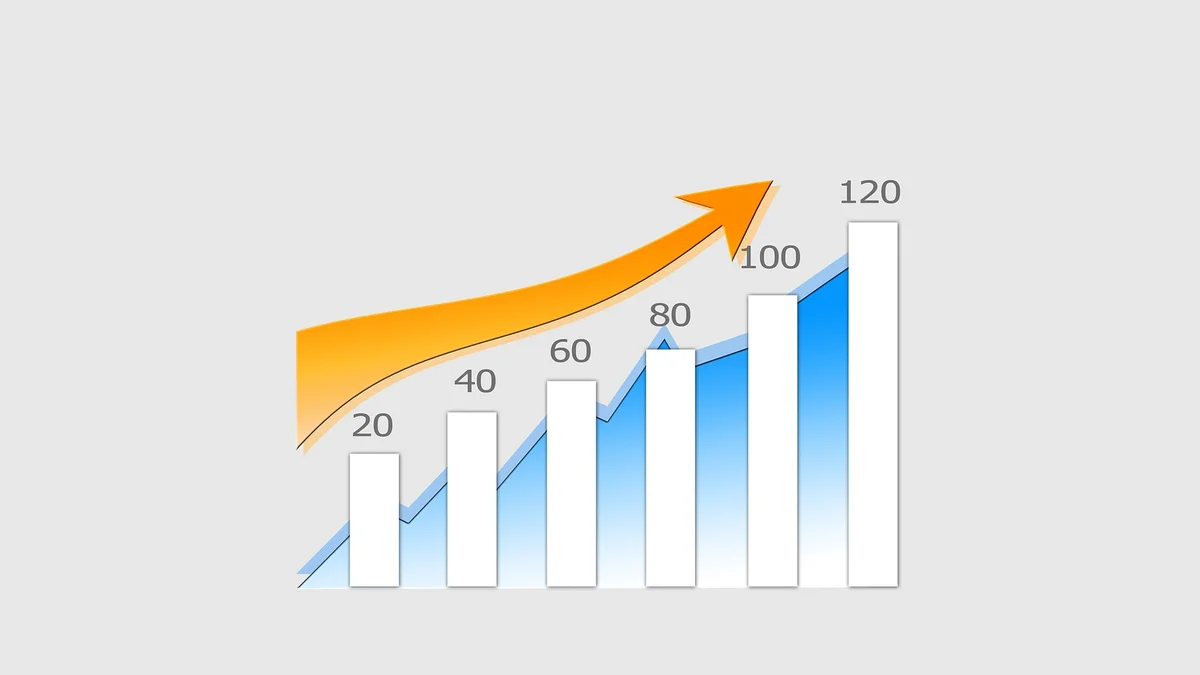
Many people wonder why is retirement important enough to prioritize in their twenties, and compounding provides the answer. Starting early means a small 401(k) contribution today can outwork decades of frantic saving later.
Understanding why is retirement important includes grasping how inflation erodes savings across decades of rising prices. Growth-focused investments like stock index funds help your money outpace that silent loss of purchasing power.
What is the difference between retirement savings and a pension?
A pension is an employer-funded promise of monthly income for life, while retirement savings are accounts like a 401(k) or IRA that you fund yourself. Traditional pensions have become rare in the private sector, which is a key part of why is retirement important to handle on your own.
If you do have a pension, get a statement of your projected benefit.
How does inflation affect my retirement plan?
Inflation quietly shrinks your purchasing power over decades, so $1,000 today will buy far less in 25 years. This is why planners recommend investments with growth potential, like stock index funds, rather than cash alone. Recheck your plan every year against actual inflation, not assumptions made years earlier.
Inflation shrinks purchasing power over decades, which is exactly why is retirement important to plan for growth.
This is why is retirement important to understand: inflation quietly erodes what your savings can buy.
Conclusion: Start Your Retirement Plan Today
The question of why is retirement important comes down to one idea: it is the plan that funds the longest phase of your life. Key takeaways:
- Social Security covers only a portion of what you'll need, so personal savings fill the gap
- Compounding rewards early savers the most, so start now regardless of age
- Retirement planning protects both your finances and your health
- Free tools like the Fidelity Retirement Score and SSA calculators simplify the process
Don't wait for a perfect plan. This week, create your my Social Security account, verify your earnings record, and run one retirement calculator. That single hour of action is the most important step toward a secure and financially free future — and the clearest proof of why is retirement important.





